Online shopping has made it incredibly simple to purchase everything from kitchen gadgets to winter apparel with just a few taps on a smartphone. However, this convenience brings with it a flood of opinions and feedback from other consumers, which many people rely on to inform their decisions before completing a purchase. The challenge is that not all of these reviews are authentic. It is essential not only to read product feedback but also to understand how to distinguish between genuine and fake entries.
How to tell whether a review is fake or real?
Did you know that nearly all shoppers, about 97% of customers, read product reviews before buying something? That statistic alone highlights how much consumers trust online feedback compared to traditional marketing materials. Beauty editor Sarah Eggenberger shared some practical tips for identifying authentic reviews in a recent segment by TODAY All Day.
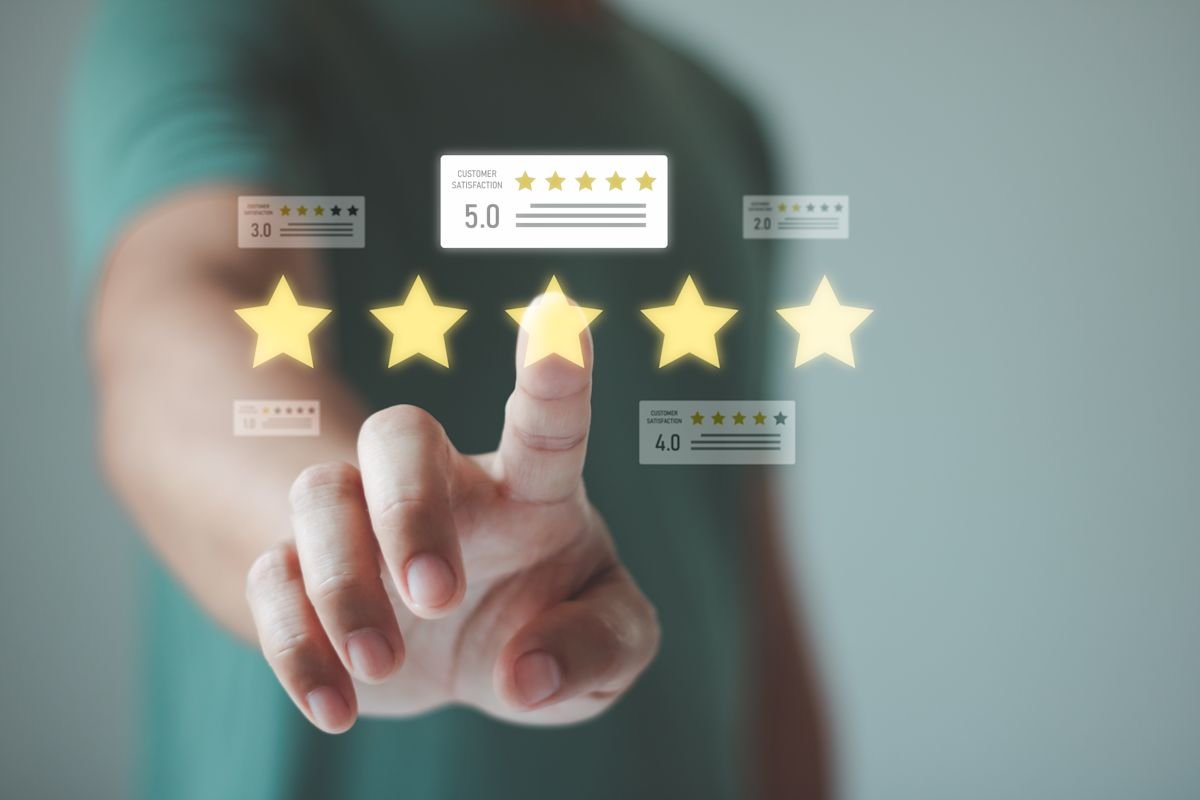
She explained that, to start with, look at the most recent reviews and those marked as “verified purchases.” Pay extra attention to three-star reviews, rather than just focusing on the highest and lowest ratings. She added that five-star reviews can sometimes sound overly excited and lack specific details. On the other hand, one-star reviews might come from people who are upset but not really saying much about the product itself.
Three-star reviews usually tell you more about the product than any other rating. “So look for your three-star reviews and then also real use cases”, she added. People want to know from those who have actually used the product and shared their experience, like it was good, it was too small, or the product was durable.
Sarah also gave a good example from her own experience. When she was looking for a full-length mirror for her daughter, she noticed several reviewers mentioned that the mirror had a bad smell, something you wouldn’t expect from a mirror at all! Those comments were so consistent that it made her not buy that mirror, which is why it’s important to note the pattern, or a recurrent issue in the reviews.
There are also some signs that a review might be fake. If you see a lot of reviews appearing in a very short time, that’s a red flag. Also, if multiple reviewers use the same generic phrases like “great product” or “absolutely love this,” it might mean they’re bots or hired to create fake reviews. Additionally, be cautious of reviewer profiles that have reviewed only one product or have reviewed many products in just a few days.
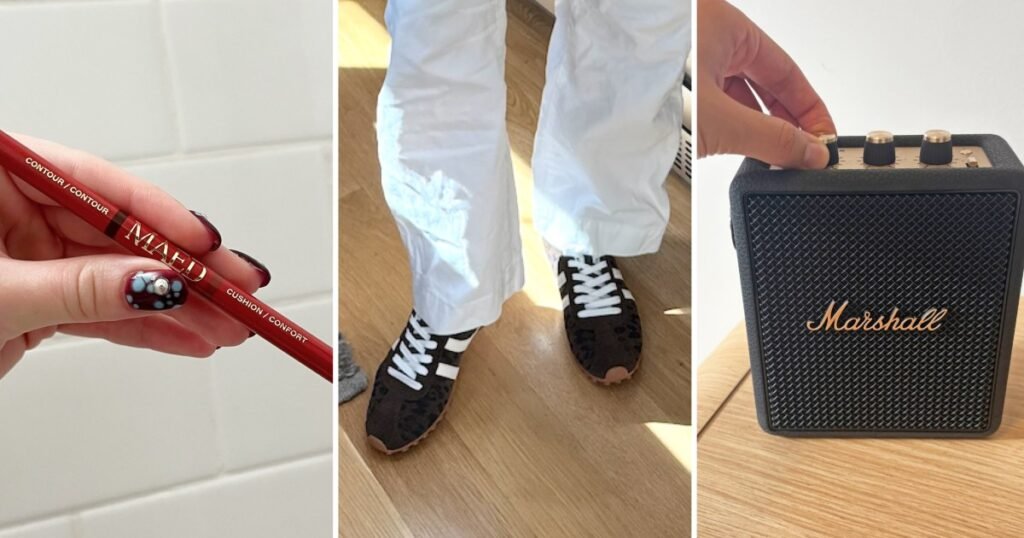
Beyond written feedback, user-uploaded photos can reveal a great deal about an item. Marketing images are typically heavily edited, whereas authentic photos from a customer can demonstrate the product’s actual size, color accuracy, and condition upon arrival. However, exercise caution when viewing photos, as some websites may repurpose images from other
It is a smart strategy to compare feedback across various retailers. If multiple stores feature similar commentary, the reviews are likely trustworthy. Conversely, if one site displays glowing praise while another is filled with complaints, it is worth investigating further before you commit to a purchase.
Additionally, there are some tools you can use to analyze the authenticity of reviews on sites like Amazon. One TikTok creator with over 2 million followers checked a smartwatch that had a perfect five-star rating. The Fakespot analysis gave it a “B” grade and flagged 15% of the reviews as potentially fake, adjusting the rating down to 4.6 stars. Because of this, the creator decided not to buy it.
E-commerce in the United States surged to over $316.1 billion in sales during the final quarter of 2025, according to the U.S. Census Bureau. This figure continues to climb, alongside the massive volume of products and reviews that shoppers browse daily. Many individuals make rapid purchasing decisions while multitasking, often overlooking the reviews entirely. Consequently, they may end up with items that fail to meet their expectations.
A product that goes viral on social media or reaches the top of search results is not automatically high-quality. These items often gain popularity due to high sales volume and numerous reviews, which can occasionally be misleading. A product might boast thousands of positive reviews and a perfect rating, yet it could still be poorly manufactured or not what it appears to be. Many shoppers are easily swayed by these reviews without considering potential red flags.
The best way to shop wisely and avoid scams is to view reviews as just one piece of the puzzle. It’s important to check with reliable who have used the product for their opinions. Look for common complaints in reviews, not just the positive comments. And remember, if something sounds too good to be true, it often is.






One thought on “97 percent of people read product reviews, but how do you tell if the reviews are fake”