The Best Underlayments for Vinyl Plank Flooring of 2026

We may earn revenue from the products available on this page and participate in affiliate programs. Learn More ›
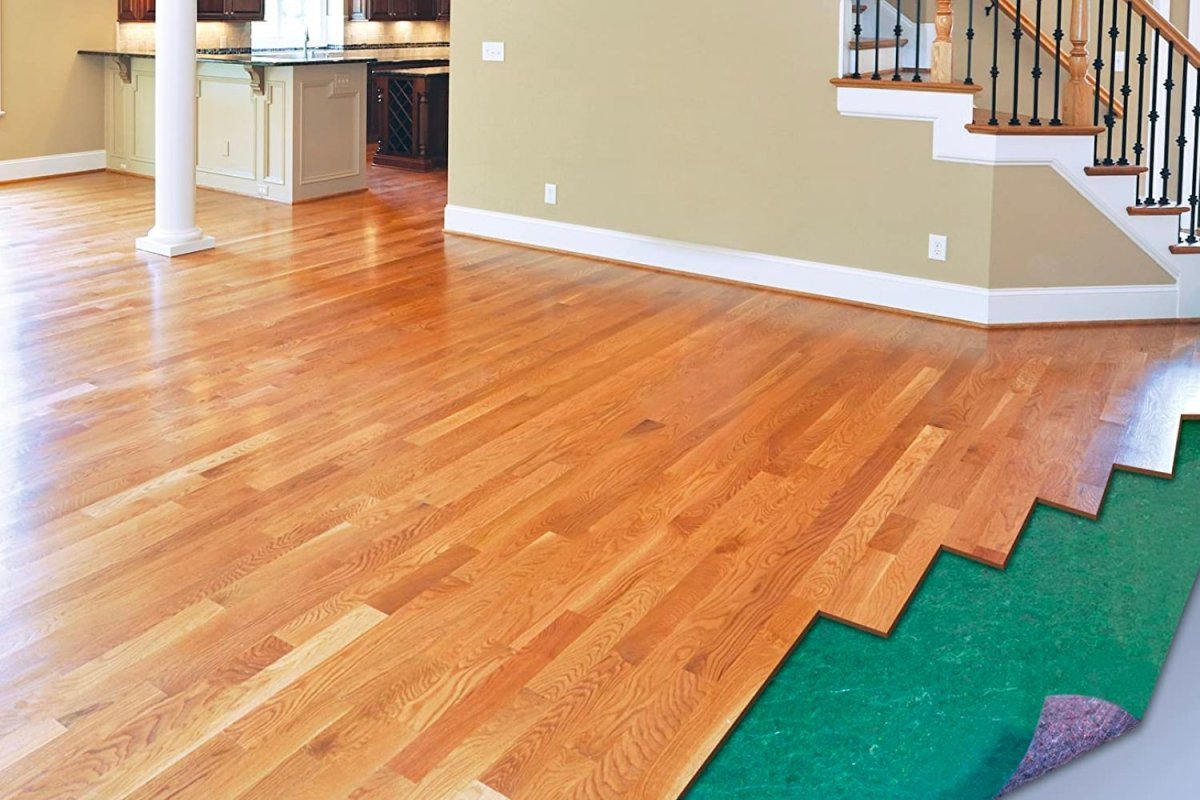
Choosing the appropriate underlayment for vinyl plank flooring ensures your new floors feel stable, quiet, and well-insulated for years. While vinyl planks mimic the aesthetic of hardwood at a fraction of the price, the padding underneath serves a critical function in blocking moisture and dampening sound.
Because shopping for these materials online can quickly become overwhelming, we researched top products to recommend a selection of the best options. Based on our analysis, we chose Floorlot Laminate Flooring Underlayment as our top pick for its integrated moisture barrier, thermal protection, and reliable sound control. However, all our selected products were thoroughly vetted for effectiveness and reliability. Read on to learn about each one and see our tips for choosing the best vinyl plank flooring underlayment for your home.
Top pick: Floorlot Laminate Underlayment. Offers moisture barrier, sound absorption, and thermal insulation, ideal for uneven subfloors.
QuietWalk Plus excels in sound insulation. Made from recycled felt, it’s Greenguard-Gold certified with excellent noise reduction.
Dekorman offers budget-friendly quality. Provides cushioning and moisture protection with closed-cell foam construction.
Eco Cork Foam is the best waterproof option. Features a vapor barrier and antimicrobial properties, perfect for flood-prone areas.
Bottom line: Discover the best underlayments for vinyl plank flooring, balancing performance, cost, and eco-friendliness for various needs.
BEST OVERALL: Floorlot Laminate Flooring Underlayment
RUNNER-UP: QuietWalk Plus Acoustical Flooring Underlayment
BEST BANG FOR THE BUCK: Dekorman Laminate Flooring White Foam Underlayment
BEST FOR SOUND INSULATION: Roberts 70-193A Super Felt Underlayment
BEST ECO-FRIENDLY: Steico 3 mm ⅛-Inch Wood Fiber Flooring Underlayment
BEST THERMAL TRANSMISSION: QEP Natural Cork Underlayment Roll
BEST WATERPROOF: Eco Cork Foam Waterproof Premium 10-in-1 Underlayment
ALSO CONSIDER: Roberts 70-025 QEP 70-029 Unison 2-in-1 Underlayment
Underlayments for Vinyl Plank Flooring Comparison
Product
Material
Thickness
Coverage
Floorlot Laminate Flooring Underlayment
Foam
3 millimeters
200 square feet
QuietWalk Plus Acoustical Flooring Underlayment
Recycled synthetic fiber
3 millimeters
100 square feet
Dekorman Laminate Flooring White Foam Underlayment
Foam
2 millimeters
300 square feet (comes in multiple sizes)
Roberts 70-193A Super Felt Underlayment
Felt
3 millimeters
360 square feet
Steico 3 mm ⅛-Inch Wood Fiber Flooring Underlayment
Wood fiber
3 millimeters
90 square feet
QEP Natural Cork Underlayment Roll
Cork
6 millimeters
200 square feet
Eco Cork Foam Waterproof Premium 10-in-1 Underlayment
Polyethylene and granulated cork
⅛ inch
75 square feet (comes in different size options)
Roberts 70-025 QEP 70-029 Unison 2-in-1 Underlayment
Polyethylene foam
3.32 millimeters
100 square feet
Before contacting a vinyl plank flooring installer, you should begin your search. The following are our top recommendations for some of the best underlayments for vinyl plank flooring. These products were chosen for their quality construction, superior performance, and simple installation. Each of the items listed below includes a thoroughly vetted list of vinyl flooring pros and cons.
Floorlot Laminate Flooring Underlayment
Includes a built-in moisture barrier
Comes with self-sealing tape and an overlap
Suitable for laminate, engineered wood, and solid wood
Provides sound absorption and thermal insulation
May require additional adhesive to lie flat
This underlayment from Floorlot is constructed from polyethylene foam and features a laminated moisture barrier that prevents mold growth, making it particularly well-suited for concrete subfloors. This product is a solid choice for slightly uneven subfloors as it smooths out minor imperfections. It also offers sound absorption and thermal insulation. It is highly versatile and can be used as an underlayment for laminate flooring in addition to wood and vinyl.
The roll is 56 feet long by 3.58 feet wide, providing a total coverage area of 200 square feet. Installation is straightforward because every roll includes self-sealing tape. One important detail to note is that this underlayment is not compatible with flexible vinyl plank flooring or rigid planks thinner than 7 millimeters.
Get the Floorlot underlayment for vinyl plank flooring at Amazon or The Home Depot.
QuietWalk Plus Acoustical Flooring Underlayment
STC rating of 66 and an IIC rating of 71
Works with radiant-heat flooring systems
Not compatible with flooring over 5 millimeters thick
Material: Recycled synthetic fiber
Crafted from recycled felt, this 3-millimeter-thick underlayment is excellent for sound insulation. It boasts an STC rating of 66 and an IIC rating of 71, ensuring it will significantly dampen noise. It is Greenguard-Gold certified, which guarantees a low level of volatile organic compounds (VOCs) in the material.
This can be used as an underlayment for laminate floors as well as engineered wood and bamboo. It is even compatible with radiant in-floor heating systems. However, there are limitations regarding the types of flooring it supports. This underlayment is intended only for floating floors and will not work with flooring that requires glue or nails. It is also only suitable for vinyl flooring that is at least 5 millimeters thick.
Get the QuietWalk Plus underlayment for vinyl plank flooring at Amazon or Lowe’s.
Dekorman Laminate Flooring White Foam Underlayment
IIC rating of 68 and STC rating of 65
Protects against moisture, mold, and mildew
Compatible with vinyl, bamboo, floating laminate, and engineered wood
May take some extra glue to lay flat
Coverage: 300 square feet (comes in multiple sizes)
Designed with self-adhesive tape and high-quality foam, this underlayment for vinyl plank flooring is ideal for those on a budget. It covers more than 300 square feet, though it is also available in 100- to 200-square-foot options. It provides excellent cushioning and sound absorption with an IIC rating of 68 and an STC rating of 65. Because this underlay for vinyl flooring features a closed-cell foam construction, it also guards against moisture, mold, and mildew in vinyl, bamboo, floating laminate, and engineered wood floors. It includes self-adhesive tape to simplify installation.
Get the Dekorman underlayment for vinyl plank flooring at The Home Depot.
Roberts 70-193A Super Felt Underlayment
IC rating of 67 and STC rating of 66
Compatible with all concrete and wood subfloors
Made with eco-friendly heat-treated recycled fibers
High price point compared to other options
This 3-millimeter underlayment from Roberts is engineered to simultaneously improve comfort and absorb sound. It features an STC rating of 66 and an IIC rating of 67, both of which signify highly effective sound insulation properties. It is manufactured from recycled felt fibers, making it an eco-friendly choice, and includes a top film vapor barrier to help combat moisture and humidity.
Regarding subfloor compatibility, it works well with all flooring types, and due to its cushioning effect, it is perfect for use over concrete and wood subfloors. An adhesive strip and 3-inch overlap assist when connecting multiple rolls during installation, making this underlayment easy to apply in large areas.
Get the Roberts 70-193A underlayment for vinyl plank flooring at Amazon.
Steico 3 mm ⅛-Inch Wood Fiber Flooring Underlayment
IIC rating of 25 and an STC rating of 62
Comes in sheets rather than rolls for easy installation
Has a natural indoor microclimate regulator
This underlayment is produced from an insulating wood fiber material that contains no VOCs, making it safe for homes with children and pets. The material is highly absorbent, which makes it ideal for spaces prone to moisture damage. There are no glue additives, resulting in a completely natural product.
It is also recyclable, further minimizing its environmental footprint. It has a rating of -25 dB, meaning it reduces decibels by 25, offering excellent sound insulation. Its high compression strength ensures that flooring does not feel bouncy and remains comfortable underfoot.
It is worth noting that this underlayment covers only 90 square feet. It is sold in sheets instead of rolls, which makes it easier to lay flat.
Get the Steico underlayment for vinyl plank flooring at Amazon, Lowe’s, or The Home Depot.
QEP Natural Cork Underlayment Roll
Repels termites, insects, mold, mildew, and pests
Works well for thermal transmission
Resists stress cracks from subfloors
Cork underlayments for vinyl floors provide several benefits: they are naturally hypoallergenic and offer superior moisture and sound absorption. This type of underlayment also reduces thermal transmission, making it the perfect choice for those with radiant heated floors. Cork is a renewable resource, so underlayments made from it are an eco-friendly option. This specific model provides 200 square feet of coverage and is effective for uneven subfloors because it is firmer than underlayments made from other materials.
At 6 millimeters, this underlayment is significantly thicker than those made from other materials, so it is important to verify that all flooring will remain level even with the 6-millimeter elevation.
Get the QEP underlayment for vinyl plank flooring at Amazon or The Home Depot.
Eco Cork Foam Waterproof Premium 10-in-1 Underlayment
Self-sealing tape; protects tongue-and-groove connections
Compatible with a variety of flooring types
Material: Polyethylene and granulated cork
Coverage: 75 square feet (comes in different size options)
Prevent home damage in the event of a flood with the Eco Cork Foam waterproof underlayment. This low-VOC polyethylene and granulated cork underlayment features a waterproof 6-milliliter vapor barrier and antimicrobial properties; an R-value of 0.48; a nontoxic, eco-friendly construction; a ⅛-inch thickness; noise-reducing capabilities; self-sealing tape; and the ability to promote even weight distribution. It is designed to be used as an underlay for laminate flooring as well as engineered wood, solid wood, and concrete, and it protects tongue-and-groove connections.
Get the Eco Cork Foam underlayment for vinyl flooring at The Home Depot.
Roberts 70-025 QEP 70-029 Unison 2-in-1 Underlayment
Keeps floors mold- and mildew-free
IIC rating of 61 and an STC rating of 54
3-inch overlap flap and adhesive strip simplify installation
This underlayment from Roberts features two layers of material: 3.32 millimeters of polyethylene foam, which provides comfort, and 2 millimeters of film, which acts as a moisture and vapor barrier. It offers an R-value of 0.29, ensuring solid thermal insulation. Regarding sound insulation, it holds an IIC rating of 61 and an STC rating of 54, which is on the lower end, making this underlayment less ideal for noise reduction.
It can be used as a floor underlayment for laminate over radiant-heated floors and engineered hardwood floors. A plastic overlap and adhesive strip make it simple to join multiple rolls during installation.
Get the Roberts 70-025 underlayment for vinyl plank flooring at Amazon.
How We Chose the Best Underlayments for Vinyl Plank Flooring
Years of experience covering home improvement as well as extensive product research went into creating this guide. We explored more than 25 underlayment options and weighed a number of practical considerations before making our recommendations.
Material: The best underlayment for floors depends largely on the type of flooring used and the subfloor present. Because of that, we included ideal underlayments made from a variety of materials in order to offer options for most shoppers. Many options on the market can pair well with luxury and engineered flooring much like those in our Flooret Flooring review.
Thickness: Though thickness isn’t necessarily an indicator of quality when it comes to underlayments, we still opted to only include models with a minimum thickness of 2 millimeters.
Versatility: We prioritized recommending underlayments for flooring that offered a combination of moisture protection, thermal insulation, and sound insulation.
What to Consider When Choosing Underlayments for Vinyl Plank Flooring
While it’s easy to assume that all vinyl flooring underlayment offers similar performance, a number of factors affect its functionality. Features like operating frequency, ground balance, search modes, and item discrimination can make one better for a user’s needs than another option. Keep reading to learn about these important features to consider when choosing the best underlayment for vinyl plank flooring.
There are several different types of underlayments for vinyl plank flooring, all of which have unique advantages. Here are some of the most popular:
Foam is a favorite choice because it’s inexpensive yet effective. Foam pairs particularly well with wooden subfloors. It’s important to note, however, that foam isn’t the ideal choice for spaces that experience moisture issues.
Felt is a top-notch choice for providing sound insulation but is typically thin so it doesn’t provide any added comfort. Because it’s made from recycled fibers, felt is an eco-friendly option.
Cork provides excellent sound insulation and is a good choice in areas that experience mold and mildew. It’s a great option for households with allergy sufferers.
Particleboard is an inexpensive option, but it can’t handle exposure to moisture and isn’t particularly strong.
Plywood draws comparisons to particleboard but is a better option because it isn’t as easily damaged by moisture.
Rubber protects against moisture and provides great sound and thermal insulation.
Oriented strand board (OSB) is more durable than plywood, though it has a similar makeup.
The best type of underlayment to choose depends largely on the subfloor type.
Concrete subfloors are very hard, so they require additional cushioning from soft underlayments made from foam, felt, or cork. When choosing an underlayment for vinyl plank flooring on concrete, it’s best to pick an option that provides heat insulation and moisture regulation.
Wood subfloors do an excellent job of regulating temperatures and controlling moisture, but they don’t absorb sound, so a felt underlayment makes for a great pairing.
Existing floors are sometimes used as a subfloor. In this case, rigid underlayments are the best choice because they level out any unevenness.
Vinyl plank flooring has several subvarieties, each of which has different requirements when it comes to an underlayment. Vinyl plank flooring is typically categorized as either rigid or flexible.
The most durable option available is rigid vinyl plank flooring. Engineered vinyl plank (EVP) flooring (also known as rigid core luxury vinyl flooring) can be made with three different cores: stone-plastic composite (SPC), wood-plastic composite (WPC), and pure vinyl. SPC floors aren’t as comfortable, so they pair best with soft underlayments made from foam, felt, and cork. WPC floors are thicker, so they often necessitate a thinner underlayment. Pure vinyl floors lack durability and comfort, so they need the highest-grade underlayment available.
Flexible vinyl plank flooring is often used as a budget or temporary solution since it comes in a peel-and-stick format and doesn’t offer the same level of quality or durability as rigid vinyl flooring.
Vinyl plank flooring is designed to be waterproof but can still warp if exposed to moisture that comes from the subfloor. Using a vapor barrier underlayment alongside a standard underlayment may be necessary in damp areas like flooring in basements. Some underlayments are designed with antimicrobial properties so that they can prevent the development of mold spores in damp or humid areas.
According to Rotem Eylor, founder and CEO of Republic Floor in California, moisture resistance in underlayment is very important: “issues with moisture can cause significant damage to the flooring. If moisture spreads, it can cause warping, expansion, wood rot etc. It can also lead to mold and create health concerns to homeowners.”
Generally speaking, underlayments for vinyl flooring are between 2 and 3 millimeters thick, though they may be as thin as 1 millimeter or as thick as 6 millimeters. It would be easy to assume that a thicker underlayment would indicate a higher level of performance, but innovations in manufacturing have made it possible for thin underlayments to offer top-notch comfort and insulation. Underlayment thickness is primarily a consideration when using different types of flooring throughout a house. If the kitchen has tile floors, for example, it’s important to ensure that they are at the same height as the vinyl plank flooring when considering the thickness of the underlayment.
Using an underlayment helps to prevent cold floors in winter by providing an extra layer of thermal insulation. This results in lower heating costs, saving money in the long run. Some types of underlayment will be rated with an R-value, which indicates how much thermal insulation it provides. A higher R-value indicates better insulation. Look for an R-value between 0.2 and 0.4.
One of the key benefits of a vinyl flooring underlayment is sound insulation. This is particularly important if the vinyl planks are installed on the upper floor of a home or apartment. The level of sound insulation that an underlayment provides may be measured in negative decibels (-dB), or rated by Impact Insulation Class (IIC) or Sound Transmission Class (STC).
Rotem Eylor shared his expert opinion on this matter too, stating that “shoppers should pay attention to factors like stability cushioning and thermal installation, which would be an acoustic underlayment (cork, rubber, felt or anything that absorbs sound well).”
Tips for Installing Underlayments for Vinyl Plank Flooring
Now that you’ve chosen the perfect underlayment to pair with your vinyl plank floors, it’s time to consider installation. Most products will come with clear manufacturer instructions, and it’s essential to follow these as closely as possible to ensure the product is installed correctly, which can cut costs for installing vinyl plank flooring. Here’s how to install underlayment for vinyl plank flooring:
Follow the manufacturer’s instructions
Lay out the underlayment from wall to wall, cutting pieces to fit
Ensure there are no gaps between pieces
Use an adhesive to connect the various pieces
While you now know more about choosing the best underlayments for vinyl plank flooring, you might still be looking for more information about how they work. Here are answers to some of the most frequently asked questions about vinyl flooring underlayments.
Q. What is the purpose of an underlayment?
An underlayment places a barrier between the subfloor and the flooring itself. This layer acts as a moisture barrier, reduces noise, and potentially makes the floors more comfortable to walk on.
Q. Do I need underlayment for vinyl plank flooring?
Before choosing an underlayment for vinyl plank flooring, it’s important to check with the manufacturer to establish whether an underlayment is necessary. Some companies will clearly specify the type of underlayment that needs to be used. Some will even void the flooring’s warranty if the wrong type of underlayment is used.
Q. Should I put a vapor barrier under vinyl plank flooring?
A vapor barrier underlayment or moisture barrier underlayment can be used as an alternative to or in conjunction with a standard underlayment in areas that experience moisture to prevent the development of mold.
Q. How thick should the subfloor be for vinyl plank flooring?
Underlayments designed for vinyl plank flooring are typically between 1 and 3 millimeters thick, with a minimum thickness of ¼ inch. The thickness of a given underlayment can even out flooring and provide cushioning.
Q. Do I need underlay for vinyl plank flooring on concrete?
A concrete floor needs underlayment to provide a vapor barrier while providing cushioning and temperature control, which is perfect for those that have heated flooring systems. Some underlayments also come with moisture barriers that can prevent and repel moisture, mold, and mildew.