


Roofs are built to endure harsh weather, yet continual exposure to sun, rain, hail, or snow can gradually wear even the strongest roofs. Small leaks and weakened spots may allow moisture in, leading to costly repairs or the need for a full replacement.
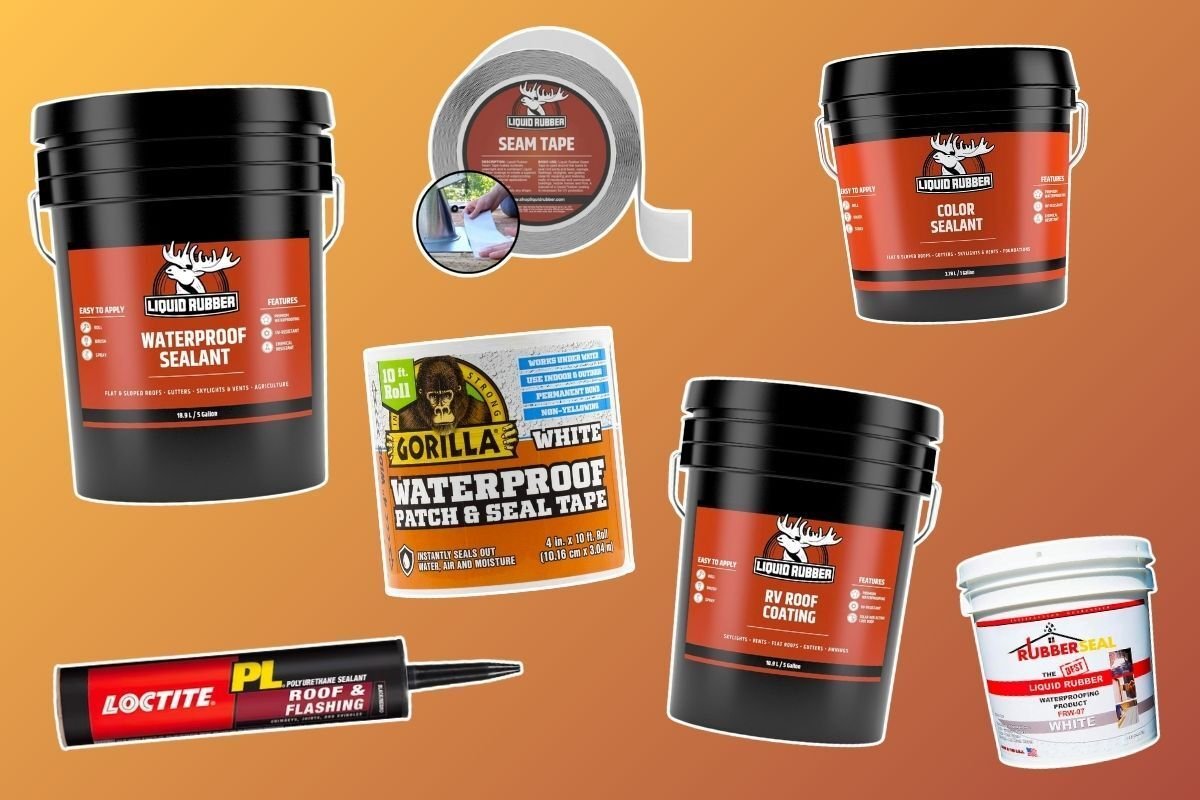
Top Pick: Liquid Rubber Waterproof Sealant. Its thick consistency and excellent blending qualities make it suitable for many roof types.
Budget‑Friendly Option: Gorilla Waterproof Tape. Simple to apply and ideal for emergency fixes, though it isn’t recommended for asphalt shingles.
Specialized Solutions for Different Roofs. There are specific sealants available for RV, flat, metal roofs, and flashing.
Key Considerations for Choosing Sealants. Important factors include intended purpose, roof type, waterproofing ability, reflectivity, durability, and ease of application.
Bottom line: Selecting the right roof sealant hinges on your particular roof and needs. Our top selections provide dependable waterproofing and protection against the elements.
BEST OVERALL: Liquid Rubber Waterproof Sealant
BEST BANG FOR THE BUCK: Gorilla Waterproof Patch & Seal Tape
BEST FOR LEAKS: Liquid Rubber Peel & Stick Seam Tape
BEST FOR RV ROOFS: Liquid Rubber RV Roof Coating
BEST FOR FLAT ROOFS: Rubberseal Liquid Rubber Waterproofing
BEST FOR METAL ROOFS: Liquid Rubber Color Waterproof Sealant
BEST FOR FLASHING: Loctite PL Roof and Flashing Polyurethane Sealant
Liquid Rubber Waterproof Sealant Water‑based polymer 1 quart, 1 gallon, 5 gallons Brush, roller, or sprayer
Gorilla Waterproof Patch & Seal Tape Tape 10 feet Manual
Liquid Rubber Peel & Stick Seam Tape Tape 50 feet long, 2 or 4 inches wide Manual
Liquid Rubber RV Roof Coating Polyurethane 1 quart, 1 gallon, or 5 gallons Brush, roller, or sprayer
Rubberseal Liquid Rubber Waterproofing Liquid rubber 1 quart, 1 gallon, 2 gallons, or 5 gallons Brush, roller, or sprayer
Liquid Rubber Color Waterproof Sealant Liquid rubber 1 gallon, 5 gallons Brush, roller, or sprayer
Loctite PL Roof and Flashing Polyurethane Sealant Polyurethane 10 fluid ounces Standard cartridge gun
To simplify choosing a sealant, we evaluated the following products and grouped them by roof type or specific need. All performed as the manufacturers claim, and we also considered odor, ease of use, and value.
Liquid Rubber Waterproof Sealant
What We Like
– Thicker than most sealants we tested
– Blends well when shingle grit is sprinkled on top
– Bonds strongly to plywood and shingle surfaces
What We Don’t Like
– May be too thick for some sprayers
Product Specs
Type: Water‑based polymer
Amount: 1 quart, 1 gallon, 5 gallons
Application: Brush, roller, or sprayer
Liquid Rubber’s sealant creates a waterproof membrane on metal, shingle, or rubber roofs, whether flat or sloped. The rubber coating resists standing water, making it suitable for planter boxes or gutters as well. It also offers UV resistance to protect against intense sun exposure.
In our testing, this sealant proved the most reliable. Its thickness helps fill larger gaps and form a solid barrier in a single coat. It also blends well, allowing repairs on black asphalt roofs to be hidden with a bit of roofing grit. While it adheres excellently to plywood and asphalt, the thick consistency may require thinning for spray application, which could affect durability.
Get the Liquid Rubber waterproof roof sealant at Amazon, Lowe’s, Walmart, or directly from Liquid Rubber.
Gorilla Waterproof Patch & Seal Tape
What We Like
– Very easy to apply
– Much thicker and more adhesive than duct tape
– Can be applied to wet surfaces
What We Don’t Like
– Only one chance to apply without creating bubbles
Product Specs
Type: Tape
Amount: 10 feet
Application: Manual
For small roof repairs where a full container of liquid sealant isn’t necessary, Gorilla’s 10‑foot roll offers a solid, budget‑friendly solution. The tape forms a permanent bond that can seal leaks on metal, rubber, plastic, and wood. It works best on a warm, dry day but can also be applied in cold, hot, humid, or wet conditions, even underwater. It is not intended for asphalt shingles and may not adhere to surfaces already treated with liquid sealants.
During testing, the tape was straightforward—cut, peel, and stick—but it cannot be repositioned once placed, so careful placement is essential. Its strong adhesive can damage underlying material, yet that same strength allows underwater or wet‑surface application, making it ideal for emergency fixes.
Get the Gorilla roof sealant at Amazon, Lowe’s, Ace Hardware, The Home Depot, or Walmart.
Liquid Rubber Peel & Stick Seam Tape
What We Like
– Works as a leak‑repair tape or flashing tape
– Very strong adhesive
– Forms a structural bond when used with roofing sealant
What We Don’t Like
– Relatively pricey for the length provided
– Requires additional sealant for full protection
Product Specs
Type: Tape
Amount: 50 feet long, 2 or 4 inches wide
Application: Manual
This seal tape quickly seals small roof leaks on various materials. It comes in 2‑ or 4‑inch strips with an adhesive backing that sticks to metal, shingles, and rubber without extra tools or cleanup.
We nearly omitted this product, but its strong adhesive and ability to serve as both leak‑repair tape and flashing make it valuable when used correctly. It does need a top coat of roofing sealant to shield it from UV exposure, and the cost per foot is higher than some alternatives. Nonetheless, it creates a solid structural bond, likely due to its mesh backing absorbing the sealant.
Get the Liquid Rubber roof sealant tape at Amazon, Lowe’s, or directly from Liquid Rubber.
What We Like
– Thin enough to spray without water dilution
– Sufficient material for multiple coats on most RV roofs
– Flexible formula won’t crack
What We Don’t Like
– Requires a primer coat
Product Specs
Type: Polyurethane
Amount: 1 quart, 1 gallon, or 5 gallons
Application: Brush, roller, or sprayer
A leaking RV roof can quickly damage the interior, but this coating is formulated to prevent that. It creates a waterproof, UV‑resistant rubber layer over rubber or metal RV roofs, keeping them cool in summer and protected year‑round.
The membrane’s flexibility accommodates the constant movement of an RV. One 5‑gallon bucket can apply two to three coats on an RV up to 30 feet long, while smaller containers are available for spot repairs.
The coating is thinner than most roof sealants we tested, allowing spray application without clogging. However, a primer is required before use. Its flexibility makes it well‑suited for the bumps and vibrations of travel.
Get the Liquid Rubber RV roof sealant at Amazon or directly from Liquid Rubber.
Rubberseal Liquid Rubber Waterproofing
What We Like
– Thin enough to spray without water dilution
– Emits virtually no odor during application
– Reflects UV rays to keep surfaces cool; Energy Star certified
What We Don’t Like
– Not as elastic as some other sealants
Product Specs
Type: Liquid rubber
Amount: 1 quart, 1 gallon, 2 gallons, or 5 gallons
Application: Brush, roller, or sprayer
Flat roofs are prone to water infiltration, and this sealant excels at forming a moisture‑resistant membrane that repels standing water while reflecting solar heat. It’s offered in white, black, light gray, and dark gray to match aesthetic and UV‑resistance preferences. The white version we tested stayed noticeably cooler under simulated sun exposure.
Its solvent‑based formula applies easily with a roller or brush and is thin enough for spraying. The low odor and lack of primer requirement are additional benefits. The only drawback is a slightly lower flexibility compared with some competitors.
Get the Rubberseal roof sealant at The Home Depot or directly from Rubberseal.
Liquid Rubber Color Waterproof Sealant
What We Like
– Thinner and easier to apply
– Available in several colors
– Bonds well to plywood
What We Don’t Like
– Thinning may alter color, making consistency hard to match
Product Specs
Type: Liquid rubber
Amount: 1 gallon, 5 gallons
Application: Brush, roller, or sprayer
Designed specifically for metal roofs, this water‑based sealant can be brushed, rolled, or sprayed on, then cures into a moisture‑ and UV‑resistant rubber membrane. It works on both flat and sloped roofs.
Compared with the standard Liquid Rubber waterproofing sealant, this version is thinner and easier to spread, though removal remains difficult. The color options (our test used a bright white) let users refresh the look of metal‑roofed structures. It also performs well on concrete and wood. Applying it in thin layers can affect the final hue, so matching color across multiple applications may be challenging.
Get the Liquid Rubber color roof sealant at Amazon, Lowe’s, or directly from Liquid Rubber.
Loctite PL Roof and Flashing Polyurethane Sealant
What We Like
– Easy to lay down a thick, controllable bead
– Suitable for flashing vents, adhering shingles, and more
– Thick enough to fill larger cracks and gaps
What We Don’t Like
– Can be hard to apply in cold weather
Product Specs
Type: Polyurethane
Amount: 10 fluid ounces
Application: Standard cartridge gun
Flashing protects a roof from moisture, and damage to flashing can expose the roof to water intrusion. This sealant is formulated specifically for repairing flashing.
We have used Loctite’s PL sealant for years, and it excels at forming thick, controllable beads that adhere to almost any surface. It’s effective for sealing vent flashing, ridge cap shingles, and larger gaps. The only limitation is reduced workability in low temperatures.
Get the Loctite roof sealant at Lowe’s, Ace Hardware, or The Home Depot.
How We Tested the Best Roof Sealants
We aimed to recommend only top‑performing sealants because a poor choice could leave roofs vulnerable. After reviewing popular, well‑rated options, we purchased seven leading products and evaluated them during an upcoming roofing project.
First, we assessed application difficulty by following each manufacturer’s instructions (most suggest three coats). We applied the sealants to a test roof and a sheathing board for side‑by‑side comparison. For tapes and caulks, we sealed gaps between scrap boards and exposed them to rain and snow.
After a two‑week period, we scored each product and awarded rankings based on performance. All products lived up to their claims, creating effective moisture barriers and sealing gaps.
What to Consider When Choosing a Roof Sealant
With numerous options on the market, narrowing down the right sealant can be challenging. Reviewing key characteristics helps eliminate guesswork.
Purpose
Roof sealants either protect roofs from moisture and sun or repair minor leaks before they worsen. While some work on most roof types, many are formulated for specific materials such as asphalt shingles, composite shingles, metal, or rubber. Roof pitch (flat vs. sloped) also influences the ideal sealant. Deciding whether you need a full‑roof coating or a spot repair will guide your choice.
Types and Materials
Sealants fall into two main categories: solvent‑based and water‑based. Solvent‑based products are highly durable but tend to be pricier, thicker, and harder to apply, often requiring respirators and special disposal. Water‑based sealants are more affordable, emit fewer odors, and are easier to clean up, though they may have a shorter lifespan.
Within these categories, five common types exist: acrylic, polyurethane, silicone, rubber, and sealant tape.
– Acrylic: Good UV protection, moderate moisture resistance, but not fully waterproof for standing water.
– Polyurethane: Strong moisture resistance, less UV protection; suited for rainy or snowy climates.
– Silicone: Excellent moisture and UV protection; works in any climate but can be costly.
– Rubber: Liquid rubber formulas provide robust sun and rain protection; often thin and easy to apply.
– Sealant tape: Thin, adhesive strips for minor leaks; affordable but not meant for large‑area coverage.
Waterproofing
All sealants offer some water resistance, but only rubber, silicone, and polyurethane can form a truly waterproof membrane capable of handling heavy rain and ponding water. Multiple coats are usually needed for full‑roof waterproofing; isolated leak repairs often require just one coat.
Reflectivity
A sealant’s solar reflectivity determines how much sunlight it reflects, reducing heat absorption and lowering cooling costs. Materials such as rubber, acrylic, silicone, and polyurethane can have high reflectivity, especially in light colors. White and light‑colored sealants reflect the most UV rays, while darker shades reflect less.
Longevity
Most sealants last 10–20 years, depending on formulation and application thickness. Tape products often meet the upper end of this range without special preparation. Liquid sealants applied at a thickness of 30 mil can outlast a 20 mil coat by roughly a decade. Proper installation—avoiding cold, wet, or dirty surfaces and allowing adequate cure time—extends lifespan. Annual inspections and timely repairs are recommended, and many manufacturers suggest resealing every five years.
Ease of Application
Thicker, solvent‑based sealants (e.g., silicone, some rubbers) can be harder to apply than water‑based options (e.g., acrylic, water‑based rubber). Thin sealants may need several coats to achieve the desired thickness, especially for full‑roof coverage. Both thick and thin products can be brushed or rolled; thinner formulas also allow spraying. Caulking tubes simplify access to tight spots, while sealant tapes require minimal tools.
Q. How do you use roof sealant?
Depending on thickness, you can apply it with a brush, roller, sprayer, or hand trowel. Some come in tubes for use with a caulk gun.
Q. How long does a roof sealant take to dry?
Drying time varies with composition and weather, typically ranging from 8 to 24 hours.
Q. How do you remove roof sealant?
A plastic putty knife usually works, but take care not to damage the underlying roof material.
















One thought on “The Best Roof Sealants of 2026, Tested and Reviewed”