


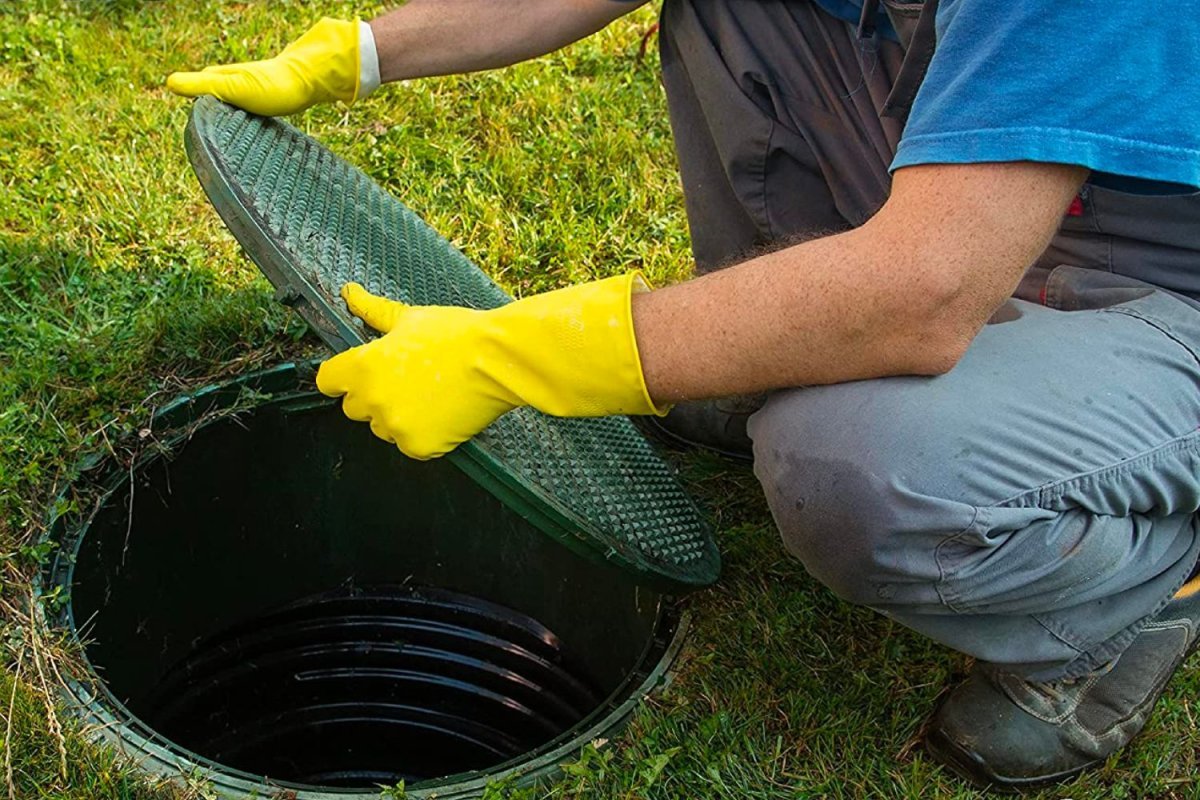
A septic system is ineffective if it becomes clogged, and clearing such a blockage can be expensive. Using a septic tank treatment periodically can help avoid these issues. Septic systems transport household wastewater into a tank, where active bacteria break down waste, separating it into solids and liquids. The liquid portion then flows through perforated pipes into a drain field, where it is filtered by layers of rock and minerals before re-entering the groundwater.
Although a septic system is a remarkable piece of engineering, it requires consistent maintenance to operate correctly. Regular use of a septic tank treatment is highly beneficial, as it provides the tank’s natural bacteria with the support needed to continue breaking down household waste. Most of these products are user-friendly, meaning you do not need plumbing expertise to apply them. For instance, our top choice, Bio-Clean Drain Septic, simply requires mixing with water before being flushed down the toilet. Ease of use is just one benefit of these products. Continue reading to discover why we chose the following formulations as the best septic tank treatments in their respective categories.
Prevent costly clogs with regular treatments. Septic tank treatments help maintain system efficiency by boosting natural bacteria.
Top picks for every need. From Bio-Clean’s ease of use to eco-friendly options like CCLS, find the right treatment for your system.
Choose the right type for your tank. Biological additives are recommended for safety and effectiveness, avoiding harmful chemicals.
Consider tank size and treatment lifespan. Ensure compatibility with your tank size and choose a treatment with a suitable duration.
Bottom line: Regular septic tank treatments are essential for preventing clogs and maintaining system health. Choose from expert-recommended options tailored to your needs.
BEST OVERALL: Bio-Clean Drain Septic
RUNNER-UP: Cabin Obsession Septic Tank Treatment
BEST BANG FOR THE BUCK: Green Gobbler Septic Saver Pods
BEST FOR CLOGS: Instant Power Septic Shock
BEST MONTHLY: Walex Bio-Active Eco-Friendly Septic Tank Treatment
BEST BULK: GreenPig Live Septic Tank Treatment
BEST NATURAL: Organic Plumber Dual Formula Septic Tank Treatment
ECO-FRIENDLY PICK: CCLS Septic Tank and Cesspool Treatment
Before You Buy a Septic Tank Treatment
The ideal septic treatment must be compatible with your specific tank to effectively decompose human waste, oils, and grease. Verify that the product you are considering is appropriate for your system, or you risk creating more problems than you solve.
Septic Tank Treatments Comparison
Product
Type
Tank Compatibility
Lifespan
Bio-Clean Drain Septic
Biological additives
1,000-gallon tanks
1 month per cup
Cabin Obsession Septic Tank Treatment
Biological additives
1,000-gallon tanks
1 month per pod
Green Gobbler Septic Saver Pods
Biological additives
1,500-gallon tanks
1 month per pod
Instant Power Septic Shock
Organic solvent
1,500-gallon tanks
As needed
Walex Bio-Active Eco-Friendly Septic Tank Treatment
Bacteria additives
1,500-gallon tanks
1 month per pod
GreenPig Live Septic Tank Treatment
Bacteria additives
500- to 1,500-gallon tanks
3 months
Organic Plumber Dual Formula Septic Tank Treatment
Bacteria additives
N/A
1 to 2 tablets per month
CCLS Septic Tank and Cesspool Treatment
Bacteria additives
N/A
½ cup per person per month
The following recommendations for the best septic tank treatments focus on varieties of biological additives. Septic tank professionals recommend this type over other options because they won’t damage the system or pollute soil or groundwater.
Highly effective in breaking down organic waste
Works on septic tanks, grease traps, drain lines
Environmentally friendly; safe to use around children, pets
Tank compatibility: 1,000-gallon tanks
This Bio-Clean product is a natural septic tank treatment engineered to maintain and enhance the health of septic systems. It features a blend of bacteria and enzymes specifically designed to digest organic matter, such as grease, fats, oils, and paper, which can cause clogs over time. It is safe for all plumbing fixtures, including showers, garbage disposals, sinks, and toilets.
We appreciate the simplicity of using this formulation. For the initial application, mix the entire jar contents with 4 gallons of water and flush it down the toilet. Afterward, flush 1 cup of the powder monthly.
Get the Bio-Clean septic tank treatment at Amazon.
Cabin Obsession Septic Tank Treatment
Each purchase includes a full year of treatments
Treating larger septic tanks may require two pods
Needs to be applied every month; not ideal
Cabin Obsession’s septic tank treatment includes 12 premeasured doses intended for monthly use in a 1,000-gallon tank, providing a full year of protection. The billions of bacteria in each pod break down waste in the scum and sludge layers while replenishing the tank’s bacterial population.
This moderately priced, eco-friendly treatment contains no chemical additives, ensuring it is safe for the environment. The scientifically selected bacterial cultures also offer odor-control benefits to keep your home smelling fresh. Note that if your home has four or more bedrooms or a septic tank larger than 1,000 gallons, you should use two pods monthly instead of one.
Get the Cabin Obsession septic tank treatment at Amazon or Walmart.
Green Gobbler Septic Saver Pods
Provides odor control and anticorrosive capabilities
Protects drains and pipes as well as tank
Affordable 6-month supply of septic tank treatments
Incapable of clearing hair from the septic tank
Tank compatibility: 1,500-gallon tanks
Offering 6 months of continuous septic system care, the affordable Green Gobbler Septic Saver pods use biodegradable ingredients to ensure environmental safety. The potent bacteria and enzyme blend comes in pod form and effectively digests fats, grease, oils, paper, and other clog-inducing materials.
At a lower cost than many competitors, it is impressive that the Green Gobbler treatment also features odor-elimination properties and anticorrosive additives to help safeguard your pipes, drains, and the tank interior.
Get the Green Gobbler septic tank treatment at Amazon or Walmart (4-pack).
Dissolves grease, soap, paper, human waste, and fats
Possesses odor-eliminating properties in addition to clearing clogs
Organic solvent eliminates clogs with eco-friendly ingredients
For emergencies; doesn’t replace regular septic tank treatments
Clogs are a nuisance, but this product is engineered to clear them quickly. Keep in mind that this powerful solution should not be used for routine maintenance, as it is designed specifically for emergencies and its contents could overwhelm a healthy septic system.
To apply, simply pour the entire bottle into the toilet and flush it into the septic pipes. It begins working immediately, and its odor-neutralizing enzymes help prevent unpleasant smells from entering your home. We appreciate that this eco-friendly formula uses lipase, protease, cellulose, alpha-amylase, and other potent enzymes to digest fats, soap, paper, and grease—all at an affordable price.
Get the Instant Power septic tank treatment at Amazon or The Home Depot.
Walex Bio-Active Eco-Friendly Septic Tank Treatment
Full year’s worth of premeasured treatments
Helps dissolve solids in the septic tank
Safe to use in all plumbing systems
Some residue will be left behind after use and may require cleaning
The Walex Bio-Active septic tank treatment includes 12 moderately priced monthly doses, designed to treat a 1,500-gallon tank effectively. The premeasured pods contain billions of beneficial bacteria to replace those lost due to harsh cleaning products poured down drains or toilets.
These eco-friendly pods also utilize septic-specific enzymes to target proteins, fats, paper, and other common solid wastes that standard bacteria may struggle to digest. This product can leave a residue on the toilet bowl, so you may want to use it right before cleaning the toilet to avoid extra scrubbing.
Get the Walex septic tank treatment at Amazon.
GreenPig Live Septic Tank Treatment
Includes 2-year supply of treatments, providing good value
Dissolves grease, paper, sludge, and human waste
Keeps unpleasant odors out of the home
Unsuitable for homes with high toilet paper consumption
Tank compatibility: 500 to 1,500-gallon tanks
The premeasured pods in this bulk package should be applied once every 3 months. With eight pods included, this purchase provides 2 years of septic tank maintenance. GreenPig’s treatment is suitable for tanks up to 1,500 gallons; smaller tanks can use the same pod but at less frequent intervals.
These eco-friendly pods contain billions of bacteria and specialized enzymes to digest paper, grease, sludge, and other organic waste. This concentrated formula is inexpensive and includes odor-neutralizing enzymes to keep foul smells away. However, this treatment may not be ideal for households with high toilet paper usage, such as large families with young children.
Get the GreenPig septic tank treatment at Amazon (2-pack) or The Home Depot.
Organic Plumber Dual Formula Septic Tank Treatment
Made from natural ingredients; safe for the environment
Tablet form for convenience and ease of use
Safe for boats and RVs; won’t contaminate water
Not readily available from many major retailers
Lifespan: 1 to 2 tablets per month
The Organic Plumber septic tank treatment is a natural, eco-friendly solution for maintaining septic system health. This product consists of natural bacteria and enzymes formulated to break down organic waste, including oils, grease, fats, and paper. It helps prevent backups and clogs while reducing unpleasant odors. Because of its natural composition, it is safe for use in boats and RVs.
Since this treatment comes in tablet form, it is easy to use; simply flush one or two tablets down the toilet each month, depending on your home’s size.
Get the Organic Plumber septic tank treatment at Amazon.
CCLS Septic Tank and Cesspool Treatment
Natural enzymes, bacteria effectively break down organic waste
Environmentally-friendly formulation
Nontoxic, nonhazardous, noncorrosive; suitable for kids and pets
May require frequent use in old septic systems
Lifespan: ½ cup per person per month
CCLS’s septic tank treatment is a potent, natural solution for maintaining septic system health. It is formulated with a blend of natural bacteria and enzymes that effectively digest organic waste. The formula is completely safe and environmentally friendly. It contains no toxins or harsh chemicals, making it safe for homes with pets and children. Furthermore, the noncorrosive formula ensures it will not damage your septic system or plumbing.
To use this product for cesspools and septic tanks, pour ½ cup down any drain each month for every person using the system. If your septic system is older or heavily used, you may need to increase the dosage.
Get the CCLS septic tank treatment at Amazon.
Or, DIY Your Own Septic Tank Treatment
While many commercial septic tank treatments are available, some homeowners prefer a DIY approach to system maintenance. Creating a homemade septic tank treatment is straightforward and requires only a few common household items.
One of the most effective and simplest DIY septic tank treatments involves using vinegar and baking soda. Baking soda helps balance the pH levels within the septic system, while vinegar introduces beneficial bacteria that assist in breaking down organic waste.
To prepare this DIY treatment, pour 1 cup of baking soda down a drain, followed by 1 cup of vinegar. Allow the mixture to sit for at least an hour before flushing with hot water. Repeat this process monthly to help maintain your septic system’s health.
It is important to note that while DIY treatments can be helpful, they should not be considered the only method of septic system maintenance.
How We Chose the Best Septic Tank Treatments
Years of experience covering home and garden products, along with extensive research, went into creating this guide. We also consulted Kelly Russum, the owner of KC’s 23 ½ Hour Plumbing & Air Conditioning. With over four decades of experience, his expertise in HVAC and plumbing was invaluable. We explored more than 25 septic tank treatment options and weighed a number of practical considerations before making our recommendations.
Sustainability: We researched the products listed above by prioritizing eco-friendly biological additives and organic solvents to keep harsh chemicals out of consumers’ septic systems. These treatments are better for the environment, and they’re effective at breaking down both solid and liquid materials while preserving the condition of a 500- to 1,500-gallon septic tank. Russum also weighed in on the matter: “If the product doesn’t list ingredients at all or claims to “dissolve solids entirely and fast” or “eliminate pumping”—I say walk away, that’s not how septic systems work.”
Value: As many septic tanks require upkeep, many brands offer 6-month to 2-year supplies of treatments per purchase to keep a septic tank clear and healthy. We focused on products that offered excellent value, prioritizing those that would last for several months.
Reviews: Top-notch performance is essential when picking a septic tank treatment, so we only included products with excellent user reviews.
What to Consider When Choosing a Septic Tank Treatment
To make an informed purchase, it’s important to understand the various types of septic tank treatments, as well as the needs of the septic tank used in your home. Keep the following in mind while shopping to help pick your next septic tank treatment wisely.
Types of Septic Tank Treatments
There are several types of septic tank treatments, including inorganic acids or alkalis, hydrogen peroxide, organic solvents, and biological additives. However, some of these treatment types have been shown to be damaging to septic systems and may even be banned by your local government due to the their potential to pollute nearby groundwater or degrade the soil. Because of these potential hazards, it is important to understand the differences between the treatment types.
Inorganic acids or alkalis are poor options for the health of your septic tank. These powerful compounds, such as sulfuric acid or lye, are capable of punching a hole through almost any clog, but their harsh chemical makeup destroys the necessary natural bacteria in the tank, halting the anaerobic digestion process.
If that digestion process inside the tank is impeded, raw sewage will leak into the drain field. This could result in unpleasant odors, leakage into local groundwater, and clogged pipes. The corrosive nature of these treatments also makes them harmful to pipes, tank walls, and distribution boxes, leading to premature weakening of the septic system.
Hydrogen peroxide was once a popular suggestion for septic tank cleaning by many different septic system service companies. However, recent findings have indicated that while hydrogen peroxide doesn’t cause undue harm to the beneficial bacterial ecosystem within the tank when properly diluted, it does degrade soil content and compromises the long-term.
Due to this method’s lasting effects on your drain field’s ability to filter and absorb wastewater, it is not a good option for the long-term care of your septic tank system.
Organic solvents, including methylene chloride, trichloroethylene, and other chlorinated hydrocarbons, are primarily used as degreasers for their ability to break down oils and grease. As a good septic tank treatment option, they work well to break down the collected oils, fats, and greases in the bottom of the tank, but they can do their job too well by also breaking down much of the bacterial ecosystem.
Once these organic solvents leave the septic tank, they seep into the drain field along with the rest of the wastewater effluent, but they do not break down. Instead, organic solvents leak into the groundwater system and can cause significant ecological damage. Because of this hazard, organic solvents are banned from use in some states, and their use could potentially create liability issues if groundwater is contaminated.
Although we do include a product with organic solvents as one of our picks, it is designed for use only to break down clogs and is not recommended for regular use to treat the septic system.
Biological additives, like bacteria and extracellular enzymes, are the only acceptable septic tank treatment for promoting a healthy, natural bacterial ecosystem; maintaining an effective drain field; and protecting the health of the local groundwater.
This septic tank treatment boosts the beneficial bacteria population in the tank and introduces specific enzymes for septic tanks that help break down fibers (such as those in toilet paper), septic tank scum that gathers at the top of the wastewater fluid, and other solid waste that the naturally occurring bacteria population may have difficulty decomposing.
Just be sure to follow manufacturer recommendations to avoid an excessive buildup of methane gas, which can result in solid waste being pushed into the drain field, where it will clog the pipes and prevent drainage from the tank.
Before purchasing a septic tank treatment, be sure you know the size of your septic tank. If you purchase a treatment intended for a 1,500-gallon tank but your tank is only 500 gallons, the treatment may overpower the bacterial ecosystem and alter the enzyme balance too much.
Inversely, if the treatment you purchase is not strong enough, it will be ineffective at maintaining the health of the septic tank. To avoid this issue, know your septic tank size in gallons and refer to this number when looking at treatment options.
Septic tank treatments come in a variety of forms intended to make the product more effective and easier to use, including pods, tablets, powders, and liquids.
Pods are one of the most popular formats, with a water-soluble casing that makes them simple to handle, similar to laundry pods meant to replace liquid laundry detergents. Simply drop the pod into the toilet and flush. The casing dissolves, and the treatment releases into the tank. With no mess, no measuring, and a slightly delayed release time, this is one of the easiest methods.
Tablets are used in the same way as pods, but they lack a protective coating. Instead, the entire tablet must break down inside the tank, which takes slightly longer than a pod. Because the tablets are measured doses, this method is another simple, easy-to-use septic tank treatment.
Powders aren’t as simple as pods or tablets, requiring you to measure out the correct dose and carefully pour it into the toilet. Allow the powder to sink into the water before flushing to avoid having some powder shoot up into the air from the force of the flush. Powders are already broken down, meaning they go to work immediately upon entering the tank. Unlike pods and tablets, which are premeasured for specific volumes, you can use powders for any size tank, provided you measure out the correct dose.
Liquids are similar to powders in that they must be measured before use, and they begin working right away. Most liquid treatments are intended for clogs, so this format is generally used less often than others.
The lifespan of a septic tank treatment determines how long it remains effective. Most treatments come in once-monthly doses, but they can also come in 3-, 4-, 6- or 12-month doses. There are also single-use treatments intended for treating clogs.
If you think you’d have trouble remembering to treat your septic tank monthly, it may help to find a product with a lifespan that matches up with holidays or significant events. For example, if you have a product with a 3-month lifespan, you can use quarterly events as reminders to treat the tank, such as Christmas and the New Year, Easter, Independence Day, and Labor Day.
Septic tanks work with the ecosystem around them to naturally treat human waste, filtering it and cleaning it before returning it back to the soil and groundwater. This environmentally-friendly model should be top of mind when shopping for septic tank treatment products to ensure the proper health and functionality of the active bacterial ecosystem, drain field soil, and groundwater.
The natural system within your septic tank works better with eco-friendly products, meaning you don’t have to sacrifice efficacy for ecological conscientiousness. Look for treatment products that are completely organic and that do not contain phosphate or formaldehyde, as these chemicals are extremely harmful to the ecosystem.
Clogs in your septic system need to be treated and dissolved quickly to prevent damage, continued buildup of solid waste in the pipes, and strong, unpleasant smells that can permeate the floor and walls of your home. As the clog is dissolving, the unpleasant aroma rising from your pipes may get worse, and will likely linger after the pipes are clear.
To reduce this nose-wrinkling situation, consider a septic tank treatment to break down the clog that includes odor-control or odor-reduction features.
Septic tanks rely on the health of their bacteria population, the soil content of their drain field, and a functioning plumbing infrastructure. Without these, a septic tank is little more than a hole in the ground.
To ensure the health of your septic system, always review the active ingredients in a septic tank treatment before buying. Consider the purpose of the included enzymes, the number of bacteria, and the presence of harmful chemicals or inorganic matter. Introducing any additive to your septic tank should be undertaken only with accurate information about the product to ensure your system is getting the best treatment without any ill effects.
Before deciding on a new septic tank treatment, consider these frequently asked questions and their corresponding answers so that you can feel more confident as you consider the right product for your needs.
Q. How often do I need to treat my septic tank?
On average, you will want to treat your septic tank once a month to once a year, depending on the manufacturer’s recommendations. Russum added, “I know that some people use septic tank treatments very often, like weekly or even daily, but this is a huge mistake to make because it can disrupt the tank’s ecosystem, eventually leading to problems with waste breakdown and backups.”
Aside from adding treatment to your tank semi-regularly, you’ll also need to have your tank pumped out once every 2 to 3 years because pumping septic tanks helps to keep them functioning properly.
Q. Is it possible to use too much septic tank treatment?
Yes, though the effects depend on the type of treatment you use. Too many biological additives will increase the amount of bacteria in the tank, causing a much faster breakdown of solid materials and a buildup of methane gas. The gas pushes solid waste around within the tank and can cause the absorption and drain field system to clog.
However, if too much inorganic acid and organic solvent additive is used, it will kill the bacteria in your tank needed for it to function. Hydrogen peroxide won’t kill the bacteria if you use too much of it, but it will degrade the soil structure in the surrounding area and reduce the ability of the drain field to treat and absorb wastewater effluent.
Q. How else can I maximize the life of my septic tank?
Taking care of septic systems is fairly straightforward—there are a few simple steps you can take to extend the life of yours. Avoid unnecessary wastewater usage by increasing water conservation efforts. This puts less strain on your septic system over time and allows it to function for a longer period. You must also follow a proper pumping schedule to ensure that the tank is pumped at least once every 2 to 3 years. You might not be thrilled to pay someone to pump a septic tank, but it’s crucial to do so.
Lastly, watch what you flush. Inorganic materials like diapers or feminine hygiene products can create clogs in your septic tank if they are disposed of in the toilet. Combined, all of this can help extend a septic tank’s lifespan.
Q. Are septic tank treatments always effective?
Not always. As we mentioned earlier, some treatments can actually kill the very bacteria needed to maintain an anaerobic environment inside the septic tank. Other types of treatments can corrode the tank’s materials, which could cause leaks over time. For this reason, the products we selected avoid ingredients that could kill bacteria or corrode the tank’s components. Still, depending on what finds its way inside your septic tank, even the products we selected may not be enough to break down these materials. For example, hair and dental floss can be tricky.


















4 thoughts on “The Best Septic Tank Treatments of 2026, Picks by Experts”