You’re not imagining it — menopause could be ruining your hair. Here’s how to fix it

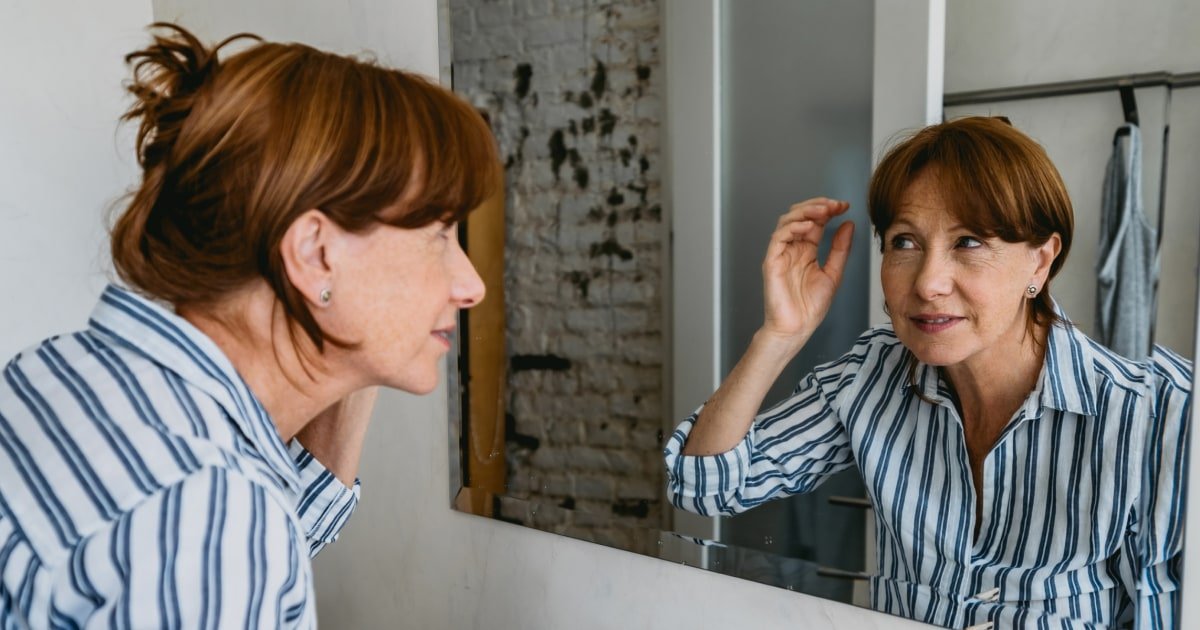
Aging brings a mix of advantages and drawbacks. While you gain wisdom from life experience, your body also faces new hurdles. This is particularly true for women in their 40s and 50s, a time when estrogen and progesterone levels drop significantly. During this phase, you might notice hair appearing in unwanted areas, such as the chin or chest, while the hair on your head may begin to feel thinner or more brittle.
This transition, characterized by declining hormone levels, is known as perimenopause, which leads up to menopause—a state officially reached after 12 months without a menstrual cycle. Throughout this stage, women may experience various symptoms, including brain fog, hot flashes, joint pain, and changes in hair health.
To understand how menopause affects your hair and what steps you can take, I spoke with three board-certified doctors. Below, they explain what you should know and how to manage the hair changes associated with this life transition.
Best overall
Bumble and Bumble Hairdresser’s Invisible Oil Heat Protectant
$34.00
Amazon
Best budget
OGX Thick & Full + Biotin & Collagen Shampoo
$5.97
Amazon
Best splurge
Better Not Younger Lift Me Up Hair Thickener Spray
$36.00
Better Not Younger
What happens to your hair during menopause?
During menopause—a term used here to encompass both perimenopause and menopause—natural estrogen and progesterone levels decline, which can trigger various bodily changes. When it comes to your hair, the impact of this estrogen loss may become quite apparent.
“Estrogen plays a critical role in hair density, fullness and growth, so it is natural to see more shedding in menopause, causing thinning of the hair and widening of the hair part,” says Dr. Melanie Palm, a board-certified dermatologist at Art of Skin in San Diego, California.
Beyond hair loss, some women observe shifts in hair texture. “Hair may become drier and more brittle as natural oil production declines — another side effect of declining hormones,” says Dr. Sonia Badreshia-Bansal, a board-certified dermatologist and co-founder/ CEO, and medical director of EliteMD in Danville, California. This dryness makes your hair more prone to breakage, adds Dr. Cristina Del Toro Badessa, a board-certified physician specializing in personalized and integrative medicine and director at Artisan Beaute, a medical spa in Atlanta.
The best products for menopausal hair
I compiled a list of hair care products designed to hydrate and protect your hair during menopause. I utilized expert advice to refine my search, focusing on items specifically formulated for hydration or intended for aging and menopausal hair.
Bumble and Bumble Hairdresser’s Invisible Oil Heat Protectant
This spray provides hydration while shielding your hair from heat-related damage. According to the brand, it features a blend of six oils that coat the strands to lock in moisture and prevent heat from penetrating deeply enough to cause harm. It also functions as a detangler, helping to minimize snagging and breakage during brushing.
This shampoo includes several ingredients that experts recommend for thinning hair, such as collagen and biotin. The brand notes that it also contains vitamin B7 and wheat protein to promote thickness. Its lightweight, sulfate-free formula won’t weigh down your hair, a combination that Palm suggests for those dealing with dryness.
If menopause has left your hair feeling exceptionally dry, this Biolage conditioner is worth considering. It features cupuaçu butter for intense hydration, according to the manufacturer. This product is best suited for those with medium to coarse hair, as individuals with finer textures might find it too heavy. In addition to hydrating, this conditioner helps manage frizz and dullness.
Along with a rinse-out conditioner used in the shower, a leave-in treatment can provide extra moisture. This product is safe for color-treated and chemically processed hair and can be applied daily to damp strands, according to the brand. The formula uses peptides for thickness, fatty acids to enhance shine and smoothness, and glycerin for hydration.
This scalp serum utilizes caffeine to stimulate growth and plant exosomes to strengthen hair and reduce breakage. It can be applied to either wet or dry hair. While some users report that it can leave hair looking slightly greasy, others find the formula lightweight and effective.
Better Not Younger is a brand dedicated to hair care for women over 40. This thickening spray is designed for application on wet hair at the roots before styling to boost volume and conceal thinning. Beyond its volumizing properties, the spray contains ceramides, biotin, and niacinamide, which help hydrate the hair over time.
Apply this treatment to your scalp, massage it in, and let it sit for 15 minutes before washing it out and styling as usual. The serum features a blend of squalane and peptides to combat dryness and increase thickness, according to the brand. One detail to note: some reviewers mention it has a strong floral fragrance.
How I picked the best products for menopausal hair
The fact that menopause is inevitable doesn’t mean you must accept dry, thinning hair. “Managing menopause-related hair changes requires a combination of lifestyle adjustments and targeted treatments,” says Badreshia-Bansal. “Staying hydrated, consuming a nutrient-rich diet with plenty of antioxidants, and incorporating omega-3 fatty acids can support skin and hair health. Supplements like collagen peptides and biotin may also help improve hair strength.”
Beyond these tips, prioritizing products that maintain hair health is beneficial. Here are the key factors I considered when selecting the products above to address menopausal hair changes:
Hydrating ingredients: Because menopause often dries out hair, your primary goal should be moisture infusion. “With that in mind, prioritize hydrating ingredients for the hair, like biotin, keratin, and natural oils, like jojoba, argan and avocado oil,” says Palm. “Humectants like glycerin and hyaluronic acid will also help your hair retain moisture.”
Sulfate-free formulas: “Avoid harsh ingredients, like sulfates, which can strip your scalp and hair,” says Palm. When your hair loses its remaining natural oils, it becomes even drier and more susceptible to breakage, making it important to steer clear of harsh chemicals.
Heat protectants: Your goal should be to minimize further damage, as high heat is one of the most significant contributors to hair stress. If you frequently use a hair dryer, curling iron, or flat iron, apply a heat protectant first. This helps coat the hair and prevents high temperatures from stripping away moisture.
Because this life stage can lead to dryness, menopausal women often find their hair appears duller than it once did, says Palm. This lack of moisture can also cause breakage, leading many women to notice more flyaways around the hairline and the top of the head.
Dr. Cristina Del Toro Badessa is a board-certified physician specializing in personalized and integrative medicine and director at Artisan Beaute, a medical spa in Atlanta.
Dr. Melanie Palm is a board-certified dermatologist at Art of Skin in San Diego, California.
Dr. Sonia Badreshia-Bansal is a board-certified dermatologist and co-founder, CEO, and medical director of EliteMD in Danville, California.
Why trust this guide?
I am a commerce editor and journalist who regularly covers beauty, home, and lifestyle topics. For this article, I interviewed dermatologists regarding the impact of menopause on hair health and researched products designed to address thinning and dryness based on their professional guidance.