


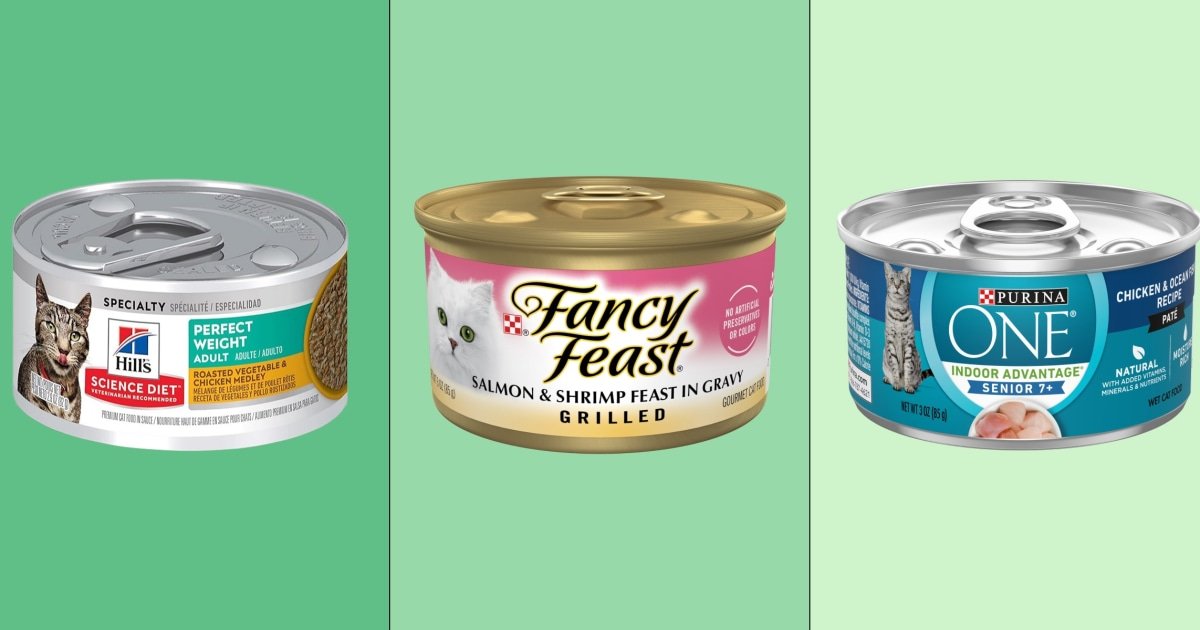
Wet food is softer and more flavorful than dry kibble, which is why some cats prefer it, vets say.
Is it truly necessary to provide your cat with wet food? Many pet owners ponder this, particularly since cans and pouches are generally more expensive than dry kibble. Every veterinarian I consulted agrees: wet cat food is a vital component of a balanced, healthy diet. Because of its soft, moisture-rich consistency, it assists felines in maintaining hydration, which is essential for kidney function, digestion, circulation, and other bodily processes.
I spoke with veterinarians regarding the factors to weigh while shopping and compiled a list of nutritious options. Vets also explain why you should avoid raw cat food and offer advice for transitioning your cat to a new diet.
Best overall
Purina Pro Plan Gravy Complete Essentials Wet Cat Food (24-pack)
$42.72
$45.39
Amazon
Learn more
Best for picky eaters
Purina Fancy Feast Grilled Wet Cat Food in Gravy (24-pack)
$undefined
$23.52
Petco
Learn more
All the wet cat foods listed below meet or exceed AAFCO standards and are nutritionally balanced to support feline health. Each selection contains at least 75% moisture and features protein as one of the primary ingredients on the nutrition label. Furthermore, all are highly rated at retailers such as Amazon, Chewy, and Petco, and many are recommended by veterinarians or cat owners.
Regardless of other wet foods I have offered them, there is nothing my cats, both of whom are picky eaters, enjoy more than Fancy Feast. This specific recipe is their favorite — they enjoy the meaty, tender, shredded texture and the fish-based flavors. It is rich in vitamins, minerals, and protein, and comes in a savory gravy. Fancy Feast’s wet food is also free from artificial preservatives and colors.
Purina Pro Plan Gravy Complete Essentials Wet Cat Food (24-pack)
Dr. Nicole Savageau, a veterinarian at Highland’s Pet Medical Center, recommends Purina wet cat food because the brand has a great reputation and works with board-certified veterinary nutritionists and scientists to formulate its products. Its Complete Essentials wet food has a soft paté texture with gravy in it. It’s fortified with 25 essential vitamins and minerals, like linoleic acid and vitamin A for skin and coat health, antioxidants for immune health and taurine for vision health, according to the brand. It’s also free from artificial colors and preservatives.
If your cat grows tired of the same flavor, consider purchasing a variety pack to rotate between options. Blue Buffalo’s Tastefuls variety pack includes meat and fish flavors like tuna, chicken, and fish and shrimp, all of which are prepared in gravy and contain real sweet potatoes and brown rice. This wet food is free from corn, wheat, soy, by-product meals, and artificial preservatives or flavors.
If you own two cats, you likely divide a single can of wet food between them, estimating the portions to ensure each pet receives a similar amount. Iams Perfect Portions wet food removes the guesswork from feeding time. Each tray contains two individual servings — you simply snap the tray apart, peel back the film, and serve. The Perfect Portions trays are also convenient for single-cat households where the pet is fed twice daily, allowing for one portion in the morning and one in the evening.
Iams’ grain-free wet food features a paté texture. It is formulated with prebiotics and fiber to aid digestion, omega fatty acids to promote skin and coat health, and antioxidants to support the immune system. The food contains no fillers or artificial preservatives.
Purina One Indoor Advantage Senior 7+ Wet Cat Food (24-pack)
Wet food for senior cats usually has higher levels of omega-3 fatty acids from fish oil to fight inflammation, and it may be made with ingredients like glucosamine and chondroitin for joint health, says Dr. Hannah Hart, a veterinarian at Chewy. (Ed’s note: The inclusion of products sold by Chewy in this article was made independently of Hart.). This Purina wet food is formulated to meet the needs of cats ages 7 and older. It’s high in fiber and protein to support strong muscles and the immune system, and it has a rich vitamin and mineral blend to give pets extra energy. The food is grain-free and made without fillers.
Wet cat food is typically more expensive than dry kibble, so if you are seeking a more affordable choice, consider 9Lives. Senior editor Nikki Brown often feeds it to her cat. This wet food is crafted with taurine and other nutrients to support your pet’s vision, heart, skin, and coat. It is higher in calories than some other options on this list, so consult your veterinarian regarding the proper serving size for your cat’s specific needs.
Hill’s Science Diet Adult Perfect Weight Canned Cat Food (24-pack)
My veterinarian recommended feeding my cats food from this Hill Science Diet line to help them maintain their weight. It’s high in protein, so it supports your cat in growing lean muscle, and you can see real vegetables and rice in the formula. The food is made with vitamins and minerals like vitamin E, B12 and D3, as well as taurine. It’s best for cats ages 1 to 6 years old, according to the brand.
Royal Canin is another cat food brand Savageau recommends because of its high quality. This vitamin- and mineral-rich formula is specifically made for those with sensitive stomachs. There’s highly digestible proteins in its recipe that helps cats absorb nutrients better, leading to stool odor reduction, according to the brand.
How I picked the best wet cat food
While shopping for wet cat food, experts recommend keeping in mind the following factors, all of which I kept in consideration to curate our list:
AAFCO nutritional adequacy statement: The Association of American Feed Control Officials (AAFCO) regulates pet food, so make sure the wet cat food you buy has an AAFCO nutritional adequacy statement on its packaging. It’s usually printed in small text near the nutrition label and indicates that the food is “complete and balanced” for a specific species (in this case, cats) and life stage: growth (for kittens), gestation/lactation (for nursing and/or pregnant cats) and maintenance (for adult cats). This statement tells you that the food meets the AAFCO’s standards and is made with essential nutrients like protein, carbohydrates, fats, vitamins and minerals in the appropriate ratios, says Savageau.
Moisture content: Hence its name, wet cat food has a high water or moisture content — it’s usually somewhere between 70 to 85%, compared to dry food, which has a moisture content of between 7 to 12%, says Hart.As part of AAFCO labeling requirements, wet cat food must list its maximum moisture percentage on the label — Savageau recommends buying one with at least 75% moisture to help your pet stay hydrated.
Ingredients: Since cats are carnivores, they need a diet that’s high in animal protein. That being said, one of the first ingredients listed on a wet food’s nutrition label should be protein, like chicken, beef or fish, says Hart. Quality wet food also has omega-3 fatty acids like fish oil, which supports skin and coat health, as well as antioxidants like vitamins A and E, and taurine, an amino acid that supports heart, eye and liver health. Savageau recommends wet food free from fillers and artificial additives, like colors and flavors. Keep in mind that the nutrient percentages listed on a wet food’s label accounts for moisture — if needed, your vet can help you calculate nutrient percentages on a dry matter basis, meaning the percentages without accounting for moisture.
Calories: The calories in a can of wet cat food depends on the ingredients it’s made with, but typically, a 2.9-ounce can of wet cat food has around 70 calories and a 5.5-ounce can has about 150 calories, says Hart. Talk to your vet about how many calories your cat should eat a day to maintain a healthy weight, which dictates how much wet food you should feed them. And remember, a higher calorie food doesn’t necessarily mean it’s unhealthy, just that your cat may need less of it per day to meet their calorie requirements, she says.
Textureand flavor: Wet cat food comes in various textures, like minced, paté, chunks and shreds. You can also buy meat-based flavors, like beef, chicken and turkey, or fish-based flavors, like salmon, tuna and shrimp. No texture or flavor is notably better than another from a health standpoint, says Hart, so feed your cat whatever they prefer. That said, try to expose your cat to as many textures and flavors as possible when they’re young so they have positive experiences with them in case they have to eat something specific later in life.
Specialized formulas: If your cat needs to eat specialized food due to certain health concerns, your vet can help you find an option that meets their needs. For example, cats with sensitive stomachs may need wet food with added probiotics, and cats with hairball or weight concerns may need to follow a diet that’s higher in fiber, says Hart.
The main advantage of wet cat food is its high water content, which helps your pet stay hydrated, especially if they’re not big on drinking water from a bowl or fountain, says Savageau. It’s also often more appealing to picky eaters than dry kibble because of its potent taste and scent, and you can mix liquid, powdered or crushed supplements and medications into it if needed. Additionally, since wet food has a soft texture, it’s easier for cats to chew than dry food, which some cats prefer, especially those that are older or have dental issues, she says.
There are a few key differences between wet and dry cat food:
Water content: Wet food is typically made with 70 to 85% moisture, while dry food usually has 7 to 12% moisture, says Hart. This makes wet food more hydrating.
Dental benefits: Crunchy, dry kibble is abrasive, so when cats chew it, it helps break down plaque and tartar on the surface of their teeth, says Hart. Wet food is soft, so it doesn’t offer dental benefits.
Carbohydrates: Wet food tends to be lower in carbohydrates than dry food, which can be helpful for cats who need to lose weight or are diabetic, says Hart.
Calories: Wet food is generally lower in calories than dry kibble, making it a good option for cats who are overweight or obese, says Savageau. It can make cats feel full and satisfied for longer, which may reduce the likelihood of overeating.
Perishability: After opening wet cat food, you need to refrigerate leftovers and use it within three days, says Hart. Dry food, on the other hand, can last for months without spoiling if you store it properly in an airtight container and keep it in a dry, room-temperature area.
Price: Wet cat food tends to cost more than dry food per equal volume, says Hart.
Ideally, cats should eat wet and dry food to get the benefits of both, experts say. However, some cats don’t like one or the other, which is fine, so long as you make sure they’re getting whatever their food of choice doesn’t offer elsewhere. So if your cat only eats dry food, closely monitor how much water they’re drinking, and if they only eat wet food, pay extra attention to their dental health.
How much wet food cats should eat per day depends on their calorie needs, whether they also get dry food and how they prefer to have their meals. For example, some cats prefer larger, scheduled meals two to three times a day, while others are grazers and eat a little bit here and there. Your vet can help you figure out what the appropriate serving of wet food is for your cat, and help you adjust it over time as they age or their eating habits change.
If you have any wet cat food left in a can or packet after you open it, cover it or seal it tightly and put it in the refrigerator. Use it within three days, says Hart. After serving your cat wet food, you should only leave it out for about four hours — after that, it may start to grow bacteria and spoil, experts say.
No, raw food is not good for cats and all the experts I spoke to do not recommend feeding it to your pet. Raw foods are unprocessed and made from uncooked meat, fish and internal organ products. They’re not subjected to the same sterilization and pasteurization processes as cooked diets, so there’s a risk of bacterial contamination from organisms like salmonella and E. coli, says Hart. Not only can these bacteria make your cat sick, but they also put the people who handle them at risk of contracting an illness.
Grain-free pet foods are made without grains like wheat, corn and rice. They’ve been scrutinized in recent years as the U.S. Food and Drug Administration continues to investigate a potential link between feeding pets grain-free diets and them developing heart disease due to a taurine deficiency, says Hart. This health risk is mainly a concern for dogs, however, and since most wet cat foods are fortified with taurine, there’s a low chance that felines will develop a deficiency if they eat grain-free wet food, she says. But grains offer many nutritional benefits you don’t want your cat to miss out on, so if you’re considering feeding them grain-free food, make sure you consult your vet first.
The best way to change your cat’s wet food is to do so gradually over about a week to avoid potential stomach upset, which is the last thing you want — if cats have a negative experience with a food, they’re likely to avoid it in the future, says Hart. Start by feeding your cat meals with 25% of the new food and 75% of the old food. Wait a few days, see how your cat responds and if everything goes well, you can increase the proportion of the new food to 50%, then 75% a few days later and then 100% a few days after that. If your cat is especially sensitive, you may have to transition them to the new food in 10% increments rather than 25% increments, says Hart. And if your cat becomes ill at any point, stop feeding them the new diet, call your vet and go back to what they’re used to.
There’s a few ways you can entice your picky cat to eat their food, but before trying anything, it’s important to make sure they’re otherwise healthy. Some illnesses can decrease cats’ appetite and make them more picky than usual, so talk to your vet to rule that out. Once you do, try the below strategies, which Hart recommends.
Change the food’s texture or flavor: These basic features may be causing your cat’s pickiness, so start by changing one of them and see if it makes a difference. Don’t change the texture and flavor at the same time — start with one or the other so you’re not adjusting too many variables at once.
Adjust feeding time: Some cats’ appetites vacillate throughout the day, so try giving them small meals every few hours to help them eat more during each sitting.
Warm food up: Put your cat’s wet food in the microwave for 10 to 15 seconds, which enhances its aroma and may make it more enticing.
Add food toppers: Another way to enhance palatability is to add toppers to your cat’s food, like those from Tiki Cat, Made by Nacho and Purina Fancy Feast. You can also use low-sodium unseasoned chicken broth, the juice from canned tuna and puréed treats like Inaba Churu.
Dr. Nicole Savageau is a veterinarian at Highland’s Pet Medical Center.
Dr. Hannah Hart is a veterinarian at Chewy. (Ed’s note: The inclusion of products sold by Chewy in this article was made independently of Hart.)











One thought on “Is wet cat food better than dry? We asked vets”