Today, many of us keep a full beauty counter in our bathrooms. It’s tempting to think that without the proper serums, acids, creams and masks, our skin is destined to become wrinkled, uneven and prematurely aged. But is all of this really necessary for healthy, attractive skin?
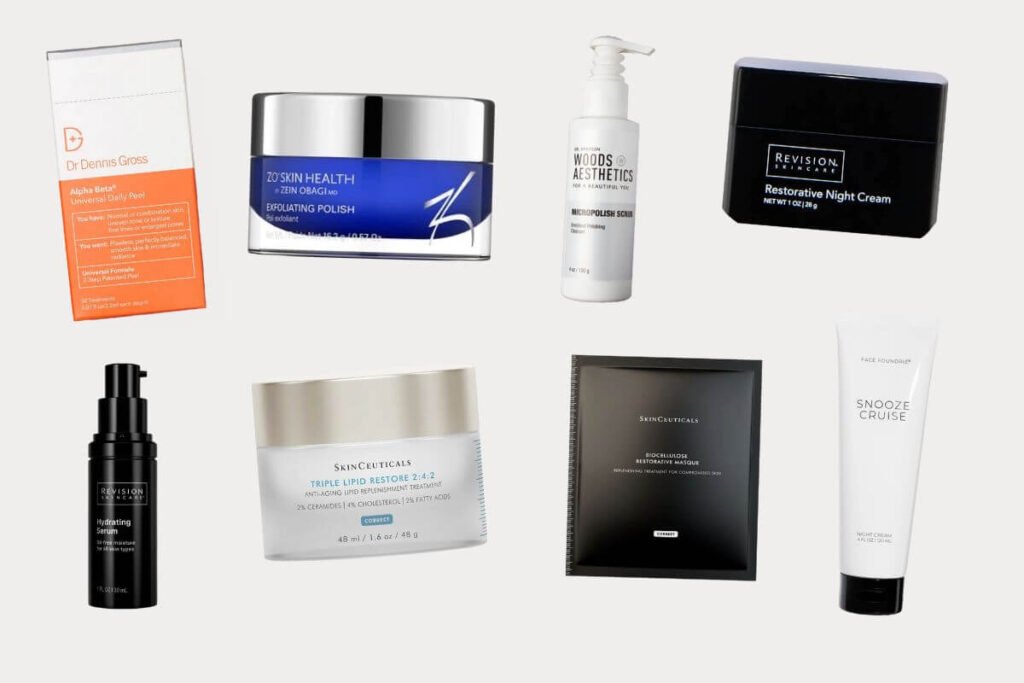
My bathroom vanity is stocked with a variety of products that claim to benefit my skin.
Looking at these bottles, jars and containers—some half‑full, some barely touched, others already causing me anxiety about replacement—feels excessive and a bit embarrassing. Do I truly need all of them?
To investigate, I consulted about six skin‑care specialists—including dermatologists, researchers and cosmetic chemists—some of whom also advise skin‑care brands.
The short answer? No.
Aside from the essentials for healthy skin (which we’ll discuss later), all other products are optional. “I would consider them as nice‑to‑haves,” says Dr. Saranya Wyles, a dermatologist and researcher focused on skin longevity.
That covers items meant to brighten, smooth and refresh the complexion—like many of the containers on my vanity. Although certain ingredients can enhance appearance, there are limits to what any over‑the‑counter topical can achieve, such as reversing aging.
Skin also requires topical care to maintain its protective barrier. All the experts I consulted agree that the list of essential products for skin health is brief:
The 3 essential skin care products
Your skin care regimen doesn’t have to be complicated. Professionals suggest a gentle cleanser, a moisturizer suited to your skin type, and a broad‑spectrum sunscreen of at least SPF 30. Combination items, such as a moisturizer with sunscreen, are acceptable as long as you reapply every two hours when outdoors.
Its purpose is straightforward: eliminate dirt, sweat, makeup and pollutants. Choose a formula with hydrating components that is mild and fragrance‑free to prevent allergic reactions and avoid stripping the natural oils that support the skin barrier.
There’s no need to seek a cleanser with exotic ingredients. “It’s staying on your skin for such a short period of time” and then you rinse it off, says Dr. Amy Wechsler, founder of Spotless walk‑in acne clinics in New York City — so it won’t do much beyond cleaning your skin.
Regarding frequency, cleanse your face each night to remove the day’s buildup. In the morning, the approach is more personal, experts note. If you went to bed with clean skin, a simple water rinse may suffice.
💧 A moisturizer that’s right for your skin
Moisturizers play a pivotal role in a routine—they hydrate and seal in moisture, supporting the outer barrier and ensuring proper skin function.
Most moisturizers combine three types of ingredients: humectants to draw water in, emollients to smooth and soften skin and occlusives to seal moisture in, says cosmetic chemist Kelly Dobos.
Formulations are typically tailored to various skin needs. Determine whether your skin is dry, oily, combination or sensitive, remembering that these characteristics can shift over time.
Whatever your current skin condition, choose a product formulated for it. “No matter your skin type, you need a moisturizer that’s appropriate,” says dermatologist and dermatologic surgeon Michelle Henry.
Since moisturizers remain on the skin (unlike cleansers), selecting one with added benefits can be advantageous—such as antioxidants for skin health or retinols to enhance texture and tone.
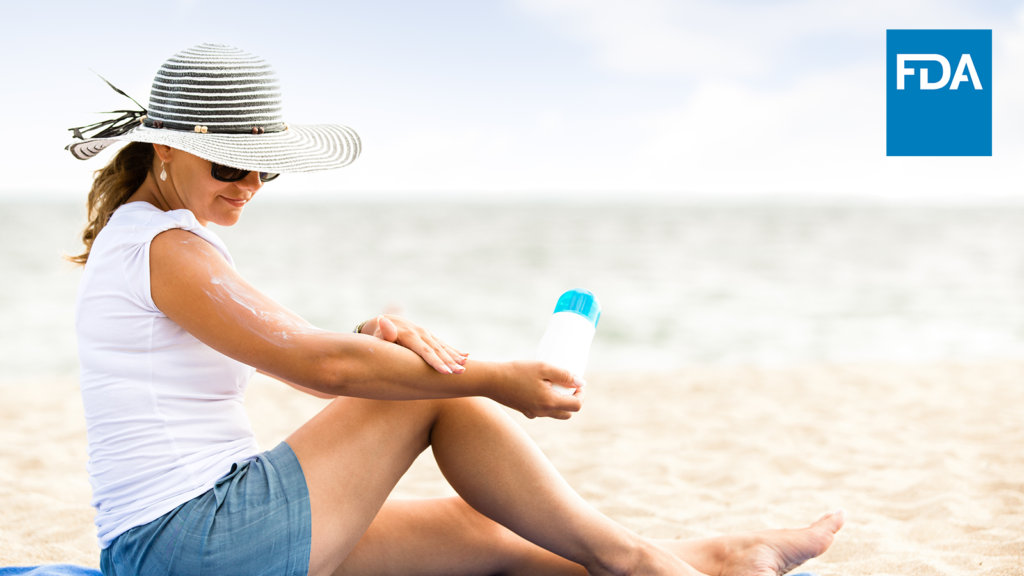
☀️ A broad-spectrum sunscreen that’s at least SPF 30
Professionals concur that the single most effective action for skin health and appearance is shielding it from harmful UV rays.
Choose one that offers broad‑spectrum protection from both UVB and UVA rays—both can cause skin cancer and visible signs of aging.
At minimum, you need sunscreen with an SPF of at least 30, and reapply every two hours if you’re going to be outside.
Make using sunscreen a no‑brainer part of your day, says dermatologist Fayne Frey. “You get up, brush your teeth and put your sunscreen on.”
Put on your moisturizer before you put on your sunscreen. Thinnest to thickest is an easy way to remember how to layer skin care products, says Henry. It makes sense. “If you put a thick product on first, then the thinner product can’t penetrate,” she adds.
If you’ve got a multipurpose product, like a moisturizer that contains sunscreen, go ahead and use it. It can simplify a routine, says Dobos. Just don’t forget to reapply it every two hours if you’re outside.
You might be wondering: Are foreign sunscreens better?
Probably. Sunscreens made in Europe, Japan and South Korea allow different chemical filters, including iscotrizinol, that are better at blocking the sun’s deep‑penetrating UVA rays than what’s long been approved in the United States.
This month, the Food and Drug Administration added bemotrizinol — which is commonly used in foreign‑made sunscreens — to the list of permitted sunscreen ingredients, the first new inclusion in more than 20 years.
“We’re a little behind,” says Wechsler, who likes to layer European sunscreens.
Sunscreen sold in the U.S. focuses on SPF (sun protection factor), which indicates its ability to block UVB rays. Sunscreens labeled “broad spectrum” are supposed to offer protection from UVA rays as well, but as they often don’t meet more rigorous European Unionstandards
To ensure you get more UVA coverage, experts recommend physical sunscreens that include minerals like zinc oxide and titanium dioxide.
❗Wait, I use a lot more skin care products than this❗
We all turn to skin care for different reasons. For some of us, it’s to target specific concerns like adult acne or to diminish the appearance of large pores. For others, it might be a fun part of your self‑care routine (or your favorite aisle in the drugstore).
So if your list of daily skin care products is longer than this, we get it. As Wyles says, some of these extras are “nice-to-haves.”
NPR does not offer or accept money for coverage or interviews.
Anyone who makes such an offer or request is not an NPR employee and does not represent NPR.