How to treat and prevent ingrown hair without popping, picking or plucking

Finding an ingrown hair after shaving, waxing, or epilating is a common frustration. These occur when a hair curls back or becomes trapped beneath the skin, often resulting in itching and discomfort. Fortunately, these bumps—frequently called razor bumps—can be managed at home using methods similar to those for razor burn. Do not expect them to vanish overnight; patience is essential when using treatments to avoid future scarring or infection.
I consulted four dermatologists to better understand how to manage and avoid these occurrences. Based on their professional advice, I have compiled a list of treatments and preventative measures that are either endorsed by dermatologists or have been evaluated by our staff.
The best ingrown hair treatments
To curate these recommendations, I selected products that are either suggested by dermatologists, have been personally tested by our team, or hold high ratings while aligning with expert advice. Because ingrown hairs can appear anywhere hair grows, I have noted whether each item is intended for the face or the body. Experts advise that you should refrain from removing hair in the affected area until the skin has completely healed.
Neosporin is my primary choice for treating ingrown hairs, minor cuts, and burns. It contains bacitracin, an over-the-counter topical antibiotic that can be applied to red, inflamed bumps, says Dr. Joshua Zeichner, the director of cosmetic and clinical research in dermatology and an associate professor of dermatology at Mount Sinai Hospital. The brand notes that this ointment features a blend of antibiotics to guard against infection and assist in skin healing, and it may also help reduce the visibility of scars when used one to three times daily.
Hydrocortisone creams are effective at minimizing the inflammation and itching associated with ingrown hairs, says Dr. Y. Claire Chang, a board-certified cosmetic dermatologist at Union Square Laser Dermatology in Manhattan, New York. This specific product from Cortizone 10 utilizes 1% hydrocortisone, which our experts note is the highest concentration available in over-the-counter treatments. I have personally used Cortizone 10 for sunburns, bug bites, and razor burn, and it is also suitable for eczema. According to the manufacturer, this fragrance-free ointment includes aloe to help calm the skin.
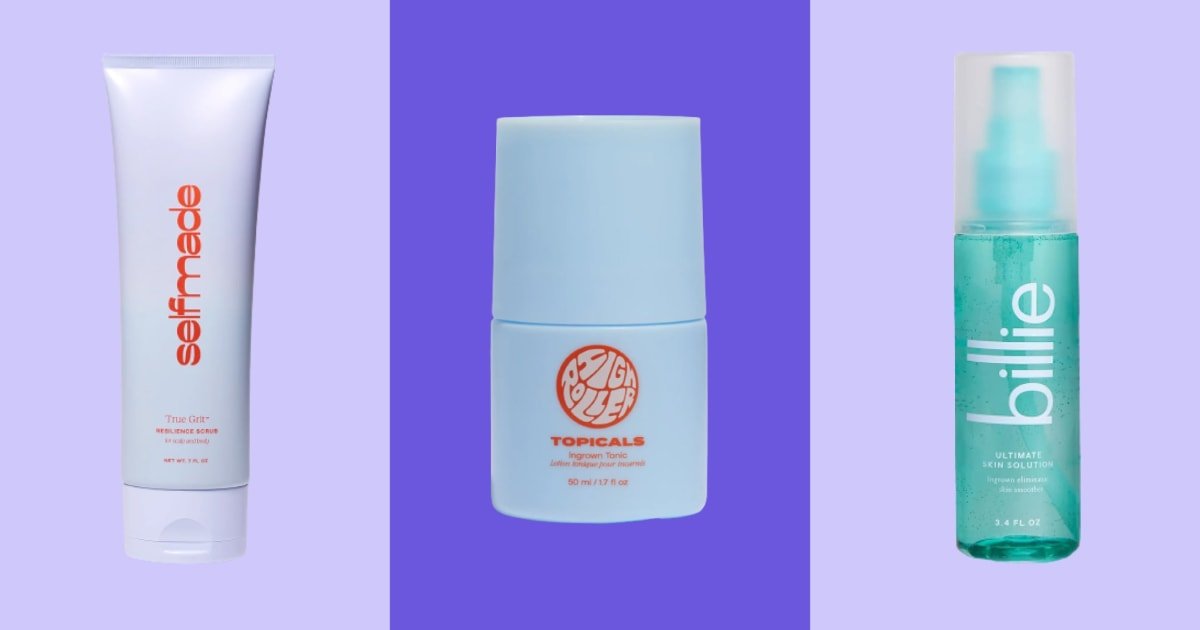
This fragrance-free salicylic acid spot treatment comes recommended by Ashley Morris, our associate SEO reporter. “It stops my ingrowns from forming into bigger bumps and fades the dark spots left behind by old ingrowns,” she says. “The rollerball applicator is my favorite part. It applies really smoothly and the tonic dries almost right away.” The rollerball design also allows for precise application without using your fingers, which prevents the transfer of bacteria to the area. Topicals’ clear formula includes zinc to reduce irritation, glycolic acid for exfoliation, and niacinamide to brighten the bump’s appearance, according to the brand.
“I’ve used Prid’s Drawing Salve for everything — cystic acne, slivers and even ingrown hairs,” says Lauren Swanson, our editorial director. “It’s very tar-like and smells gross, but it truly is a miracle worker. I slap this stuff on over ingrown hairs, put on a Band-Aid and then go to bed. When I wake up, it’s gone.” The salve contains natural ingredients such as sulfur to soothe itching, silicea to draw out trapped hair, and arnica to alleviate pain and swelling, per the brand. Be sure to cover the application site with gauze or a bandage, as the brown salve can stain clothing.
Fur’s Ingrown Concentrate features tea tree oil, which provides anti-inflammatory benefits and helps prevent infections, says Chang. The formula also includes chamomile extract to reduce redness, along with coconut, tamanu, and grape seed oils to soften and hydrate the skin, according to the brand. Before applying, the company suggests using the included finger mitt to exfoliate in the shower, then dabbing a few drops onto the bumps once your skin is dry.
Mario Badescu’s Drying Lotion is my preferred overnight solution for ingrown hairs. It dries them out while I sleep, leaving them significantly less red and swollen by morning. The lotion uses salicylic acid to clear away dead skin cells around the hair, and calamine to soothe irritation, according to the brand. You simply dip a cotton swab into the pink sediment at the base of the bottle and dab it directly onto the spot. Because it leaves behind a light, chalky residue, I find it best to use this at night.
How I picked the best ingrown hair treatments
The most effective way to address an ingrown hair is to release the trapped hair from beneath the skin in two stages. Keep these factors in mind when shopping for remedies:
Calming irritation: Ingrown hairs can be painful, swollen, and inflamed. Experts suggest that soothing the area before applying spot treatments makes the process more comfortable. Dermatologists often recommend using cold compresses or ice packs alongside first-aid ointments.
Spot treating bumps: You can spot treat these bumps just as you would acne, says Dr. Mara Weinstein Velez, a board-certified dermatologist and assistant professor at the University of Rochester Medical Center. She suggests using products containing benzoyl peroxide or salicylic acid, as these chemical exfoliants remove dead skin cells and allow the hair to break free. She recommends applying these treatments twice daily. Additionally, Chang suggests using warm compresses for 10 to 15 minutes each day to soften the skin and encourage the hair to reach the surface.
The best products to prevent ingrown hair
If you experience ingrown hairs on your face, particularly after shaving, experts suggest using a gentle acne face wash containing salicylic acid. In my experience, it dispenses as a jelly but transforms into a foam when massaged into the skin with your fingers or a cleansing brush. According to the brand, this wash helps unclog pores and remove excess oil.
I use Billie’s Ultimate Skin Solution to prevent and treat ingrowns on my underarms and legs. The brand states that the spray contains aloe vera and salicylic acid to calm the skin while dissolving dead cell buildup. I appreciate that the spray bottle makes it simple to cover large areas, and it dries quickly without leaving a sticky residue or stinging my sensitive skin.
After shaving, apply a BHA-based product to seal the hair follicles that were opened by warm water, says Weinstein. This step helps keep dirt and bacteria out of the follicles. This chemical exfoliant from Paula’s Choice contains salicylic acid (a BHA) and green tea extract to soothe redness. The lightweight formula feels refreshing when applied with a cotton pad and absorbs quickly, allowing for easy layering of moisturizer. While designed for the face and neck, it can also be used on other body parts after shaving.
For those with highly sensitive skin who may not tolerate BHAs, witch hazel is a gentler alternative that serves the same purpose, says Weinstein. Thayer’s Witch Hazel Facial Toner is recommended by Cory Fernandez, our commerce editor. He applies it with a cotton pad immediately after shaving and reports that consistent use leads to fewer ingrown hairs on his face. The alcohol-free, hydrating formula helps even out skin tone and texture while minimizing the appearance of pores, according to the brand. It is available in several varieties, including rose petal, cucumber, lavender, and coconut water.
Experts emphasize that moisturizing should be the final step of any hair removal routine. CeraVe’s cream is a noncomedogenic option suitable for the face, body, and hands. It contains ceramides to support the skin barrier and hyaluronic acid to lock in moisture, according to the brand. It has also earned the National Eczema Association’s Seal of Acceptance, making it a safe choice for sensitive skin.
How I picked the best products to prevent ingrown hair
Your skincare routine is vital when it comes to hair removal, says Weinstein. If your skin is not healthy, hair will not grow back properly. Prevention is primarily about caring for your skin before, during, and after hair removal. Consider these factors when shopping for preventative products:
Cleansing: If you are prone to ingrowns, Weinstein suggests using a body or face wash containing glycolic acid, salicylic acid, or benzoyl peroxide to reduce bacteria and prevent it from spreading.
Exfoliating: Experts agree that exfoliation is the most important step in stopping ingrown hairs. Exfoliating removes dead cells from the skin’s surface, clearing a path for hair to grow, says Zeichner. There are two types: chemical exfoliants, such as AHAs (glycolic or lactic acid) and BHAs (salicylic acid), which help cells shed; and physical exfoliants, which are scrubs that use grains or beads to manually remove dead skin. Dr. Jane Yoo, a board-certified cosmetic dermatologist and Mohs surgeon in New York City, recommends exfoliating between shaves to allow the skin time to recover.
Moisturizing: After removing hair, hydrate the skin around the follicles with a body lotion or face moisturizer, says Weinstein. She advises choosing oil-free formulas, as oil-based products can clog pores unless they are specifically labeled as noncomedogenic.
How to avoid getting ingrown hair while shaving
Shaving is the most common method of hair removal, but poor technique is often the cause of razor burn and bumps. To help prevent these issues, consider these expert tips. Remember, do not shave or perform any hair removal in an area with an active ingrown hair until it has fully healed.
Shave at the end of your shower so the warm water has time to soften your skin, says Yoo. Soft skin makes it less likely for hair to curl back and become trapped.
Use a moisturizing shaving gel or cream to minimize friction, says Yoo. Weinstein suggests opting for fragrance-free products, especially if you have sensitive skin or a recently healed ingrown, as scents can be irritating.
Use short, single strokes and shave in the direction of hair growth, says Yoo.
Use razors with a built-in comb on the leading edge, which lift the hair to ensure it is cut at the proper angle, says Zeichner. “If you cut hair above the skin surface, it’s less likely to become an ingrown,” he says.
Avoid dull razors, as they create jagged edges on the hair that make it more likely to curl back into the skin, says Zeichner. A single-blade razor usually stays sharp for three to five shaves, says Yoo. If you use a multi-blade razor, check the packaging for guidance on how often to replace the blades.
Keep your razor in a dry area to prevent bacterial growth, says Yoo. Storing it in humid, wet spots like the shower can lead to transferring bacteria to your skin.
An ingrown hair—or razor bump—occurs when a hair grows sideways or curls back into the skin rather than growing upward, says Chang. These hairs become trapped beneath the surface, leading to inflammation. They can appear as skin-colored bumps with a dark center, small red pimples, or large, painful, pus-filled lesions
While often associated with shaving, ingrown hairs are actually more common after other forms of hair removal. This is because the deeper the hair is removed, the higher the risk of an ingrown.
When you shave, the hair is cut at the skin’s surface. However, methods like waxing, epilating, threading, and tweezing remove the hair from the follicle deep beneath the skin, says Zeichner. As the hair grows back, it must navigate through the skin’s surface; if this process fails, the hair can become trapped, he explains.
That said, shaving can still cause ingrowns if you use improper techniques, such as dry shaving, shaving against the grain, or using a dull blade, says Weinstein.
Ingrown hairs can appear on any part of the body that grows hair, says Chang. They are most common in areas with coarse hair, such as the beard area, the neck, the chest, the armpits, the pubic area, and the legs.
Anyone can develop ingrown hairs, but those with thick, coarse, or naturally curly and wavy hair are most susceptible, says Weinstein. Curly hair is more prone to curling back into the skin than straight hair.
Our experts unanimously agree: you should never pick, pop, pluck, or pull at an ingrown hair. Doing so can prolong healing, worsen the condition, and lead to scarring, discoloration, or infection. Squeezing or tweezing can also cause folliculitis, an itchy or painful infection of the hair follicles, says Weinstein.
You should also never attempt to dig an ingrown hair out, even if it is visible beneath the surface, says Chang. Only a dermatologist should remove an ingrown hair in-office using a sterile scalpel or needle.
Avoid harsh or irritating ingredients, such as strong alcohols, hydrogen peroxide, or heavy fragrances, as these can increase inflammation, says Chang. Weinstein also advises against using abrasive scrubs or physical exfoliants on an active ingrown. She also notes that DIY remedies like apple cider vinegar are ineffective.
Ingrown hairs vary in severity. Mild cases may not be painful, but severe, infected ingrowns can appear as pus-filled or pink bumps. In these instances, you should see a dermatologist, who may provide prescription-strength antibiotic ointment or a cortisone injection to reduce inflammation.
Consult a dermatologist if you experience persistent ingrown hairs or if they appear frequently in one area, says Chang. They may suggest alternative hair removal methods, such as electrolysis or laser hair removal. If you notice a red bump and are unsure what it is, seek professional medical advice before attempting to treat it yourself.
At NBC Selected, we work with experts who have specialized knowledge and authority based on relevant training and/or experience. We also take steps to ensure that all expert advice and recommendations are made independently and with no undisclosed financial conflicts of interest.
Dr. Joshua Zeichner is the director of cosmetic and clinical research in dermatology and an associate professor of dermatology at Mount Sinai Hospital.
Dr. Y. Claire Chang is a board-certified cosmetic dermatologist at Union Square Laser Dermatology in New York City, NY.
Dr. Jane Yoo is a board certified cosmetic dermatologist and Mohs surgeon based at her private practice in New York City, NY.
Dr. Mara Weinstein Velez is a board-certified dermatologist and assistant professor with the University of Rochester Medical Center.
Why trust NBC Selected?
I’m a reporter at NBC Selected who writes about skin care, including articles on ingrown hair, razor burn, sunscreen for acne-prone skin and sunburns. For this article, I interviewed four experts about how to treat and prevent ingrown hair. Using their guidance, I curated a list products dermatologists recommend and those the NBC Selected staff have tested.