Since the COVID‑19 pandemic, we’ve been cleaning more often, yet we’ve become less careful. Every year, numerous accidents involve disinfectant cleaning <a href="https://shoppixy.com/native-nourishers-products-we-love-from-the-best-up-and/” title=”Native Nourishers: Products We Love From The Best Up-And”>products, often because we overlook the label, leave a bottle open, or underestimate the hazards.
The figures speak for themselves
In 2025, the Poisons Centre logged at least 2,605 calls about biocides—the umbrella term for products that fight harmful organisms such as insecticides, rat poison and disinfectants. These calls involved 2,638 victims, both human and animal. Disinfectant cleaning products alone were linked to 784 human victims. With a few sensible habits, you can keep your home spotless and safe.
Keep products out of children’s reach
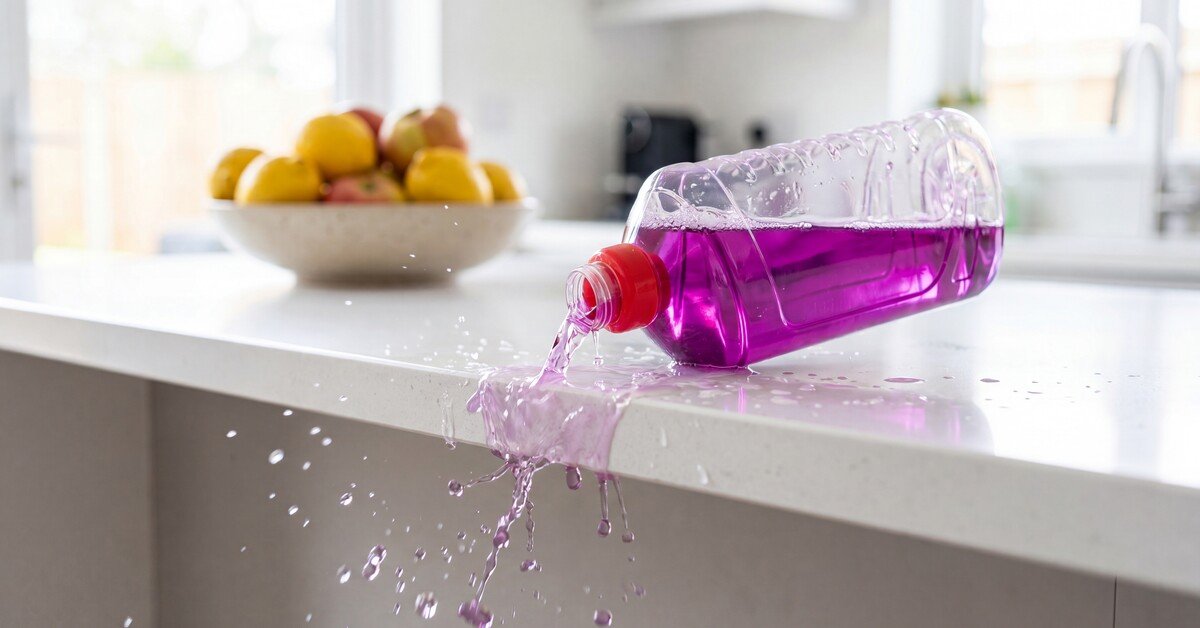
Young children are natural explorers: they crawl, touch everything and often put things in their mouths. Consequently, children aged 1 to 4 face the highest risk of poisoning or chemical burns. Bright bottles and colored liquids easily attract their attention and can be mistaken for a drink.
The danger lurks just around the corner, especially whilst you’re cleaning. The phone rings, you turn away for a fraction of a second… and suddenly your child has grabbed the bottle, taken a sip or rubbed the chemicals into their eyes. So never let the product out of your sight and close the cap immediately when you put the bottle down. Even if it’s only for two seconds. Then store it straight away in a tall, locked cupboard. Well out of children’s reach.
Nowadays, barely 1 in 5 people read the label carefully. That’s a missed opportunity, because the safety instructions and hazard symbols on the back are your best protection against accidents.
The label tells you exactly what the product is for, the hazards, the precautions and how to use, measure out or dilute it correctly. It also states the correct application time. If you don’t follow these instructions, the product will lose its effectiveness, and you’ll unwittingly create additional risks.
Mixing cleaning products yourself to achieve an extra‑strong result is a life‑threatening idea. Never mix different products together, as some combinations can trigger a violent chemical reaction.
The best‑known and most dangerous example? Mixing bleach or toilet gel with other cleaning products, ammonia or acids such as vinegar. This immediately releases toxic chlorine gases that can irritate your eyes, nose and airways. So keep it simple and safe: always use just one product at a time.
Cleaning safely also means looking after yourself properly. When you’re working with chemical products, substances inevitably end up in the air. Incorrect use or poor ventilation can irritate your skin, eyes and airways, and cause symptoms such as headaches, nausea, burns or eczema.
So make it a habit to open the windows, both during and after cleaning. Does the label say you should wear gloves or other protective gear? Then make sure you do. Your body will thank you for it.
How can you teach children to recognise danger?
Order our free illustrated children’s book here to help your children understand the dangers and deal with them safely.
Seal products securely and store them in their original packaging
Pouring leftover cleaning products into an empty water bottle? Never do that. Someone else in the house could make a painful mistake and think it’s a drink.
Always keep every product in its original packaging. If, despite all precautions, something does go wrong, the original bottle will help the emergency services and the Poisons Control Centre to identify the product, so they can provide the correct medical advice straight away.
The very best way to prevent accidents is to leave the heavy‑duty chemical products on the shelf. Only use disinfectant cleaning products in specific situations (Cleaning or disinfecting? How to choose the right product) or on a doctor’s advice.
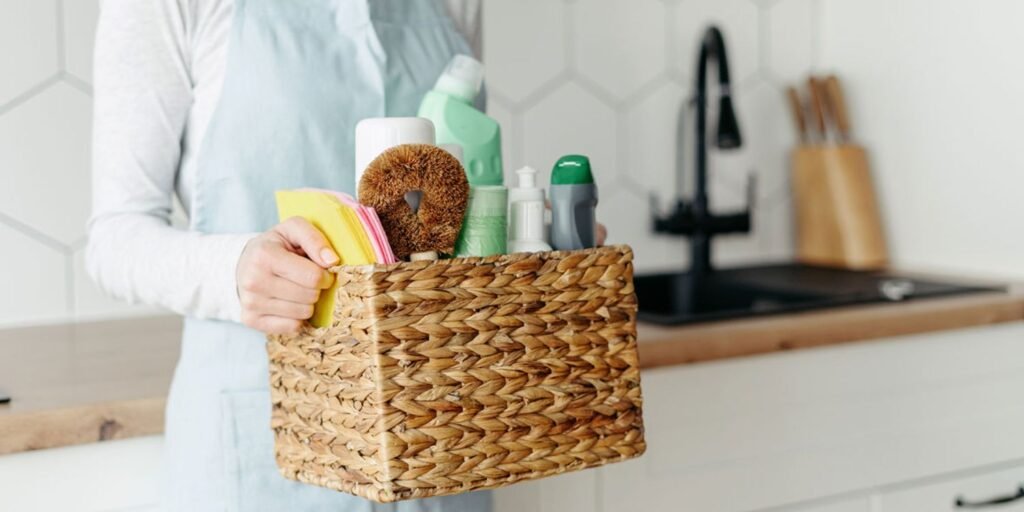
For your weekly or daily cleaning routine, a simple soapy solution of water and a standard all‑purpose cleaner or soap is more than enough. This removes the bulk of the dirt and leaves your home sparkling without leaving any harsh fumes lingering. Also, opt for mild products carrying the EU Ecolabel, or choose natural alternatives such as Marseille soap, black soap or bicarbonate of soda.
For certain vulnerable groups, such as pregnant women or young children, fragrance‑free products are often the best choice. Fragranced products may contain endocrine‑disrupting substances and cause allergic reactions. Anyone wishing to further limit their exposure to endocrine‑disrupting substances can find practical tips at www.hormoonverstoorders.be.
Cleaning safely? A simple soapy solution is all you need!
What should you do in the event of an accident?
In the event of an accident, call the Poisons Centre immediately on 070 245 245. Keep the packaging or label to hand so that the product can be identified.
If the product gets into the eyes or onto the skin, rinse thoroughly with lukewarm running water. If the person has inhaled the fumes, take them immediately to a well‑ventilated area, well away from the product.
A few good habits can make all the difference. For more tips on safe and healthy cleaning, visit cleansafely.be.
You can find more information at cleansafely.be.