While overall hospital emergency room visits have declined since the start of the COVID-19 pandemic, ER admissions for specific product-related injuries have climbed over the past year. A recent report indicates that certain injury risks have risen as more Americans spend time at home. This U.S. Consumer Product Safety Commission (CPSC) study outlines the increase in home-related incidents that resulted in hospital visits between March and September 2020:
The highest number of ER-treated injury increases across all age groups involved fireworks and flares (56%), followed by skateboards, scooters, and hoverboards (39%), and severe accidents involving all-terrain vehicles (ATVs), mopeds, and minibikes (39%).
Injuries linked to button batteries surged by 93% among children aged 5 to 9.
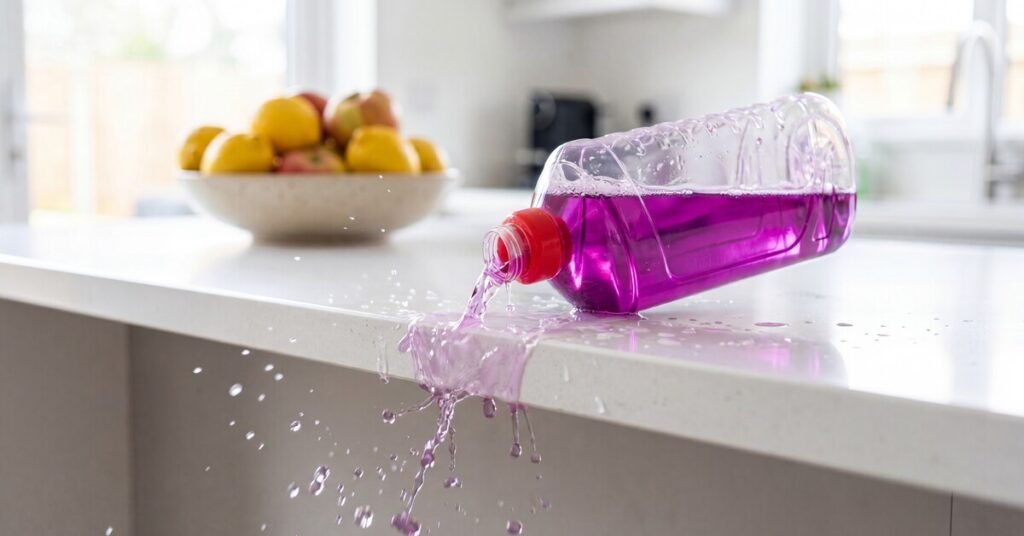
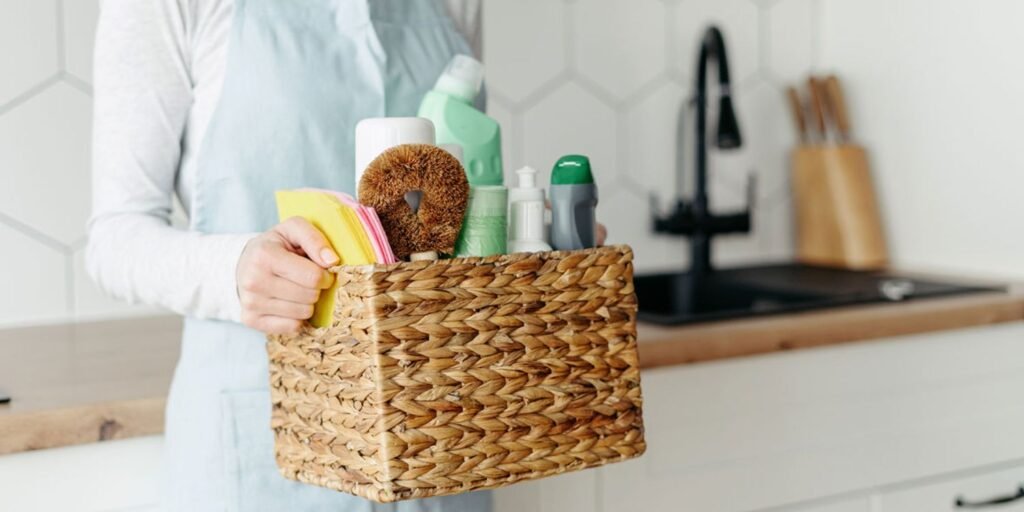
Injuries involving cleaning agents rose by 84%, while those related to soaps and detergents increased by 60%.
Bicycle-related injuries saw a marginal overall rise of 1%, but that figure spiked to 21% for riders aged 40 and older, and 39% for those over the age of 70.
Clearly, spending more time at home, combined with engaging in recreational activities that may have been new to some, resulted in more injuries, some of which were severe.
“These data begin to tell a story of how consumers were injured by <a href="https://shoppixy.com/7-best-korean-skincare-products-tried-tested-by-a-beauty-editor/” title=”7 best Korean Skincare products: Tried & Tested by a Beauty Editor”>products during the pandemic,” notes CPSC acting chairman Robert Adler. “But the ending of the story has yet to be written. With more data and an increased number of available re they are quarantining at home, or back at work and school.”
How can you keep your family safer at home?
The types of injuries sustained by more people over the past year highlight critical areas, activities, and products where families can take proactive steps to prevent accidents. Follow these top tips from the CPSC’s COVID-19 Safety Education Center:
Never permit young children to handle or ignite fireworks, including sparklers.
Whenever an adult, teen, or child uses a skateboard, hoverboard, or e-scooter, they should wear a safety helmet and avoid riding in the street.
Keep all items containing small batteries, such as button batteries, out of reach of children. This includes television remotes. Ensure that battery compartments on all children’s toys are securely fastened. Dispose of used batteries properly to prevent children from finding them around the house.
While you might not consider laundry products, soaps, detergents, and other cleaning agents to be “poison,” they are hazardous and can be lethal if ingested, particularly by young children. Store all cleaning supplies in their original containers. Keep them locked away from young children and supervise them whenever adults are using these products. The same rule applies to prescription and over-the-counter medications. Save the Poison Control Center’s hotline number (800-222-1222) in your mobile phone and post it for babysitters or visiting relatives.
Always wear a properly fitted and fastened safety helmet when riding a bicycle, regardless of your age, to help protect against brain injuries in the event of a fall or collision. When purchasing a helmet, look for a label stating: “Complies with U.S. CPSC Safety Standards for Bicycle Helmets.”
Remember, children emulate your behavior, so practicing safety yourself helps ensure they learn the importance of these habits for life—even when you are not present.
For more lifesaving information and tips, visit CPSC.gov.
Have you encountered a dangerous product or sustained a product-related injury? Report it at www.SaferProducts.gov or contact the CPSC Hotline at 800-638-2772 (TTY 301-595-7054).