


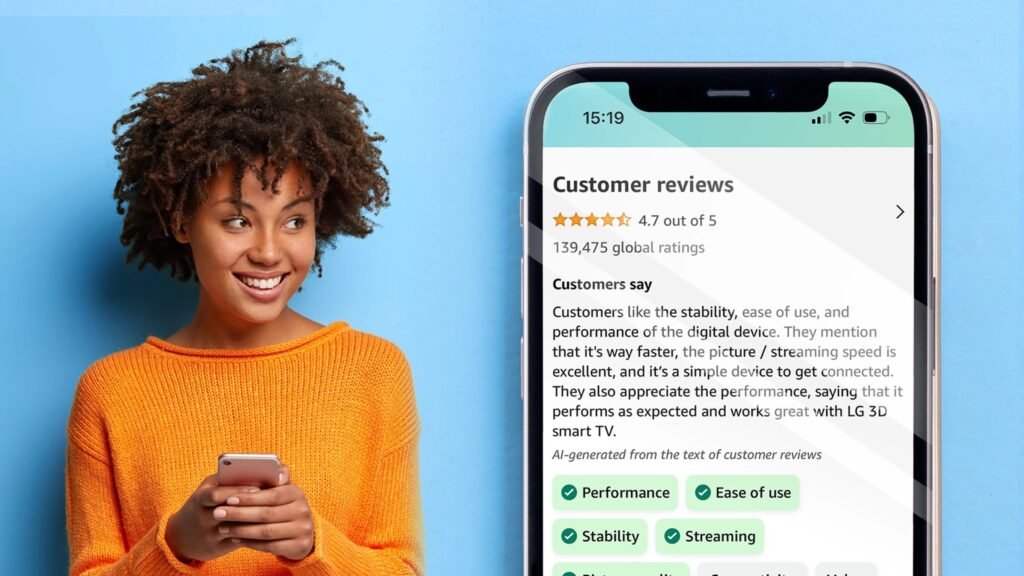
Online reviews are vital for comparing <a href="https://shoppixy.com/a-majority-of-u-s-tiktok-users-are-there-for-product-reviews-and-recommendations/” title=”A majority of U.S. TikTok users are there for product reviews and recommendations”>products, assessing sellers, and making well-informed purchasing choices. Unfortunately, the rise of artificial intelligence (AI) has made it significantly easier to generate convincing, fraudulent testimonials that can sway your buying habits. Developing the ability to identify AI-generated fake reviews is now a crucial digital literacy skill that will help you shop with greater confidence.
The increasing availability of generative AI has made the manipulation of reviews faster and more persuasive than ever. Consequently, regulators have begun to implement stricter measures against these deceptive online practices.
In August 2024, the U.S. Federal Trade Commission (FTC) finalized a regulation prohibiting fake reviews, specifically targeting AI-generated testimonials intended to mislead consumers. The rising volume of AI-produced content explains the urgency of this move. One study estimated that AI tools generated 39% of all published articles in 2023, illustrating how rapidly this technology has permeated the internet and why spotting AI-driven fabrications has become increasingly difficult.
Although the FTC mandate is specific to the United States, this challenge impacts online marketplaces globally as consumers rely more heavily on digital feedback before making purchases. This issue also extends to the rapidly expanding digital economy in Africa.
Whether you are shopping on e-commerce sites, booking travel, or comparing local services based on ratings, distinguishing genuine feedback from AI-generated deception is vital. Learning to identify misleading reviews helps you make smarter purchases while supporting companies that have earned real customer trust.
Not every deceptive review is created entirely by AI. Instead, bad actors frequently use the technology as a tool to produce large quantities of persuasive content in a short amount of time. A typical campaign might involve:
Generating hundreds of reviews using AI writing software.
Creating numerous fake customer accounts.
Posting reviews over a period of days or weeks to create an illusion of authenticity.
Mixing positive and negative testimonials to avoid raising suspicion.
Slightly altering the wording of each review to bypass systems designed to detect duplicates.
Some entities also combine AI-generated text with stolen profile images or compromised accounts to make reviewers appear legitimate. The result is a high volume of convincing reviews that can artificially inflate or damage a product’s reputation.
How can you differentiate between authentic feedback and AI-driven deception? The following strategies can help you pinpoint reviews that warrant extra scrutiny.
One of the most reliable indicators of an AI-generated review is a lack of meaningful detail. Real customers usually describe their experiences by mentioning specific product features, shipping times, interactions with customer service, or the context in which they used the item. Conversely, AI-generated reviews often remain vague and superficial.
For instance, a review might state, “Excellent product. High quality and outstanding performance. Highly recommended.” While the sentiment is positive, it offers almost no useful information to help you evaluate the product.
A genuine review is more likely to explain why the product performed well, such as “Then battery lasted through two days of business travel, and the fast charging feature reached 80% in about 40 minutes.” Reviews that include specific personal experiences are generally much harder for automated systems to generate consistently across hundreds of posts.
Modern AI systems rarely produce identical paragraphs, but they often repeat the same concepts using slightly varied language. As you browse reviews, look for recurring themes that emphasize the same selling points without offering unique personal anecdotes.
For example, multiple reviews might describe a product as having:
“Outstanding build quality.”
“Excellent craftsmanship.”
Although each phrase looks different, they all push the same narrative without explaining why the reviewer holds that opinion. If you notice dozens of reviews highlighting identical strengths while ignoring any potential limitations, the pattern may be worth investigating.
Authentic customer feedback rarely presents a perfect scenario. Even highly-rated products usually receive a blend of praise and constructive criticism, with users noting both benefits and minor drawbacks regarding price, delivery, or usability.
If nearly every review is five stars and describes the item as flawless, look closer. Research indicates that deceptive testimonials and promotional content can trick you into buying low-quality products or even items that do not exist. Rather than relying solely on the aggregate rating, compare positive and negative reviews to determine if they offer a balanced and realistic perspective.
Review patterns can expose suspicious behavior. For example, you might notice a relatively obscure product receiving hundreds of glowing reviews within a few days after months of inactivity. This sudden spike could suggest a coordinated campaign rather than a surge in satisfied customers.
While many online marketplaces utilize automated systems to flag unusual review activity, suspicious posts may remain visible until they are reviewed. This also applies to regional marketplaces across Africa. Although review volume naturally rises during major shopping events like Black Friday or seasonal sales, dozens of highly similar testimonials posted in a short window should make you cautious.
Looking beyond the review itself can provide helpful context. Before placing your trust in it, ask yourself the following questions:
Has the reviewer posted feedback on many unrelated products in a short timeframe?
Do all of the reviewer’s posts provide either five-star or one-star ratings?
Does the account lack a profile photo or, where available, a purchase history?
Were all of the testimonials published within just a few days?
While none of these signs alone proves fraud, seeing several of them together may suggest that the account was created primarily to manipulate ratings rather than to share a genuine customer experience.
One of the easiest ways to identify fake AI reviews is to avoid relying on a single website. If you find a product with overwhelmingly positive feedback on one marketplace but mixed reviews elsewhere, remain vigilant. Reading testimonials from multiple
This strategy is particularly useful when shopping for electronics, booking travel, or comparing software subscriptions. For example, you might find a hotel with glowing reviews on its own booking page, while travelers on independent platforms consistently mention cleanliness issues or unreliable internet.
If you operate a business in Africa or another emerging digital market, monitoring reviews across regional marketplaces, search engines, and social media is also beneficial. Consistent feedback across various channels carries more credibility than praise concentrated in one location.
AI can produce polished prose, but it often exaggerates emotion to make reviews more persuasive. Be wary of statements like these:
“This is the greatest product ever made.”
“Everyone should buy this immediately.”
“Absolutely flawless in every possible way.”
“Completely changed my life overnight.”
Authentic customers usually explain their opinions. As you read, look for specific details regarding what worked well, what could be improved, and whether the product met the reviewer’s expectations.
Similarly, if you encounter extremely negative reviews that attack a company without explaining what happened, proceed with caution. Fake review campaigns may target competitors by flooding websites with exaggerated criticism that lacks supporting details.
Real customer experiences usually answer practical questions. For example, if you are reading a review of wireless earbuds, you might expect details about sound quality during a commute, battery performance over several days, or comfort during exercise. In contrast, AI-generated content often avoids these specifics because it relies on generic product descriptions rather than firsthand experience.
Ask yourself whether the review answers questions such as:
When was the product used?
What problem did it solve?
Was anything disappointing?
If you consistently find these details missing, the review becomes less valuable regardless of whether it was written by a human or an AI.
As you read testimonials, pay attention to whether they sound more like advertisements than personal accounts. Many AI-generated fake reviews rely on polished marketing language that promotes product features without explaining how the reviewer actually used the item.
For example, a review that says, “This innovative solution delivers unmatched efficiency with exceptional performance for every user,” may sound impressive but offers little useful information. By contrast, a genuine customer is more likely to describe a specific experience, such as how the product performed over time or whether it solved a particular problem. If you notice text that reads like promotional copy instead of a firsthand account, it deserves closer scrutiny.
AI can also assist you in identifying suspicious reviews. Some browser extensions and online tools analyze review patterns, detect unusual posting activity, and estimate whether content may have been generated automatically. They can provide another layer of insight, especially when you are evaluating expensive purchases.
However, no detection system is perfect. Just as human error remains a leading cause of cybersecurity breaches, relying solely on automated review detection can lead to mistakes. AI detectors may incorrectly flag legitimate listings or fail to recognize sophisticated fake content.
For the most reliable assessment, combine these tools with your own judgment by evaluating review quality, reviewer history, posting patterns, language, and consistency across multiple platforms.
If you own or manage a business, authentic customer reviews are essential for building trust and attracting new clients. Fake positive reviews can create unrealistic expectations, while fake negative ones can damage your reputation even when you provide quality products or services.
Recognizing the growing impact of review fraud, the U.S. Federal Trade Commission’s rule allows courts to impose civil penalties for businesses that knowingly engage in deceptive review practices, including the use of AI. The agency states that this harms consumers and honest businesses alike by distorting competition and polluting the marketplace.
The best long-term strategy is to encourage genuine customer feedback. Authentic reviews help you build credibility, identify opportunities for improvement, and strengthen customer relationships. As e-commerce continues to grow across Africa and other regions, maintaining integrity can also help your business stand out in an increasingly competitive digital marketplace.
As AI-generated content becomes more convincing, you must look beyond star ratings when evaluating products and services. Checking for detailed experiences, balanced opinions, and consistent feedback across multiple platforms helps you make more informed purchasing decisions and build consumer trust.















2 thoughts on “How to Spot AI Fake Product Reviews”